Motor overheating is one of the most common warnings in precision grinding equipment, and for valve grinders it can quickly affect accuracy, consistency, and service life. In valve maintenance environments, the grinder is expected to deliver stable rotation, controlled pressure, and repeatable finishing, so heat buildup is more than a comfort issue. It can also signal improper operating conditions, excessive workload, or insufficient cleaning and adjustment after repeated use. The guidance published on valvegrindingmachine.com points toward a practical solution: match the machine’s structure, speed, and operating steps to the actual task instead of forcing the grinder to work beyond its intended range.
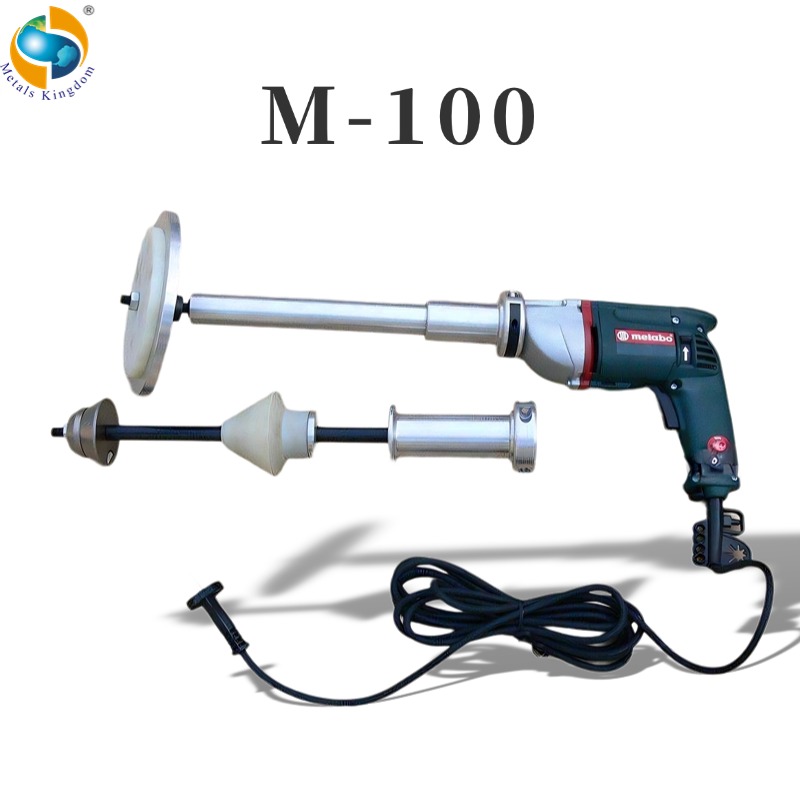
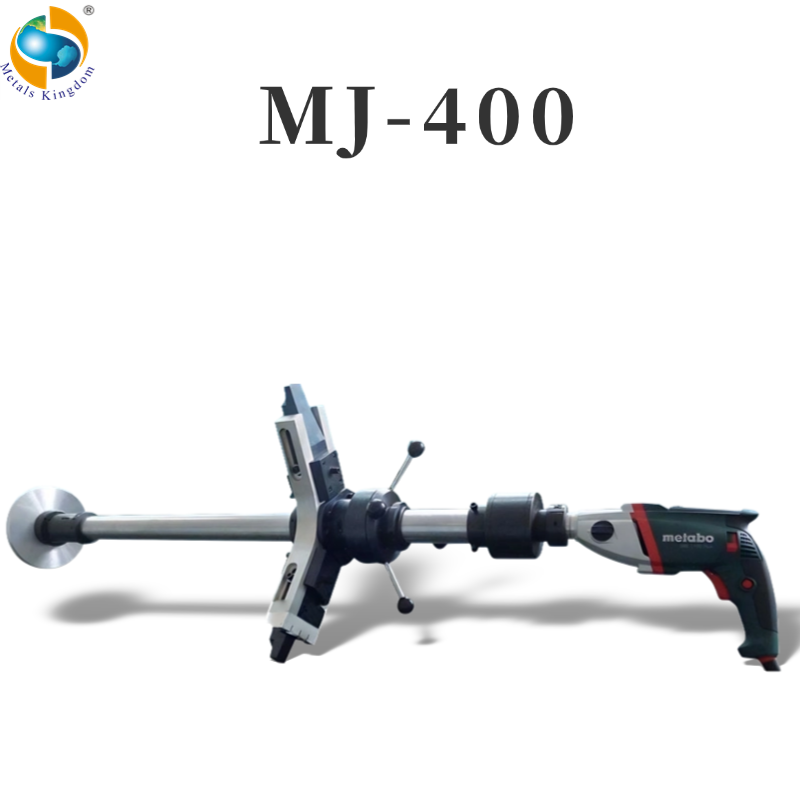
The product line on valvegrindingmachine.com emphasizes portable and stationary valve grinding machines with stepless speed control, stable transmission, and interchangeable grinding components. These design features matter because overheating often happens when a motor is asked to run under unnecessary load for too long. A machine that can be adjusted to the workpiece, rather than used at one fixed setting, gives the operator more control over heat generation. In the site’s own product descriptions, the focus is clearly on portability, precise grinding, and ease of installation, which supports more disciplined operation in the field.
One important step in preventing overheating is keeping the grinding system clean. The site advises users to remove dirt from the grinding disc or pad after use and to inspect the working surface before the next operation. Residual abrasive dust, debris, or residue can increase friction and make the machine work harder than necessary. That extra resistance may not only affect the quality of the seat finish, but also place additional stress on the motor during repeated cycles.
The site also stresses correct preparation of the grinding surface. Before grinding, operators are told to check whether the damaged valve face has raised bumps and to remove them if necessary. This matters because sudden contact with rough or uneven surfaces can interrupt smooth rotation and create an uneven load on the machine. In practical terms, proper preparation allows the grinder to remove material gradually instead of fighting against defects that should have been handled first.
Another factor tied to overheating is the use of the correct abrasive configuration. Valvegrindingmachine.com explains that sandpaper should be cut to match the grinding disc and pasted on a cleaned disc seat with double-sided adhesive tape. If the abrasive layer is poorly mounted or uneven, the machine may vibrate or drag during operation, increasing the strain on the motor. A stable abrasive setup supports smoother motion and helps the grinder maintain a steady working temperature.
The company’s product notes also indicate that different valve types require different tool heads or probe arm arrangements. That detail is important because using the wrong setup can force the machine to compensate through extra pressure or longer running time. For gate valves, globe valves, flanged parts, and other seats, the operator must choose the right configuration before beginning the job. Proper matching reduces unnecessary friction and prevents the machine from being pushed into a workload it was not designed to carry.
Heat management is also linked to workflow discipline. The website’s instructions emphasize stopping the machine correctly and unplugging the motor after use. This is a simple precaution, but it reflects a broader maintenance philosophy: shut down cleanly, inspect the tool, and prepare it for the next operation instead of leaving it in an uncertain state. In daily use, the cumulative effect of these small habits can be significant, especially for compact portable equipment that may be deployed repeatedly across different sites.
For valves exposed to high temperature or moisture, the site suggests using water or kerosene appropriately during grinding to help flush chips and support the process. While this guidance is aimed at improving grinding quality, it also relates indirectly to temperature control, since a cleaner grinding zone often means lower friction and less buildup on the working surface. When the cutting or lapping zone stays clearer, the motor does not need to compensate as aggressively during operation.
The importance of overheating prevention becomes even clearer when considering the industries served by the site. Valve grinding machines are presented as suitable for power generation, petroleum, chemical, metallurgy, paper making, and related maintenance environments. These are working conditions where downtime is expensive and equipment must remain dependable. A motor that overheats too often can interrupt repairs, reduce operator confidence, and shorten the service life of the machine itself.
Viewed as a whole, valve grinder motor overheating solutions are not based on one single fix. They come from a series of practical steps already reflected in the site’s product guidance: choose the right machine setup, clean the disc and pad after use, inspect the valve surface before grinding, prepare the abrasive correctly, and avoid unnecessary load or long uncontrolled running periods. In other words, stable motor performance depends on stable operating habits.
For maintenance teams, that is the key lesson. A valve grinder designed for precision work performs best when treated as a controlled finishing tool rather than a heavy-force machine. By following the operating discipline outlined on valvegrindingmachine.com, users can reduce overheating risk while preserving the accuracy and reliability that valve grinding tasks demand.
Copyright © Metals Kingdom Industry Limited All Rights Reserved