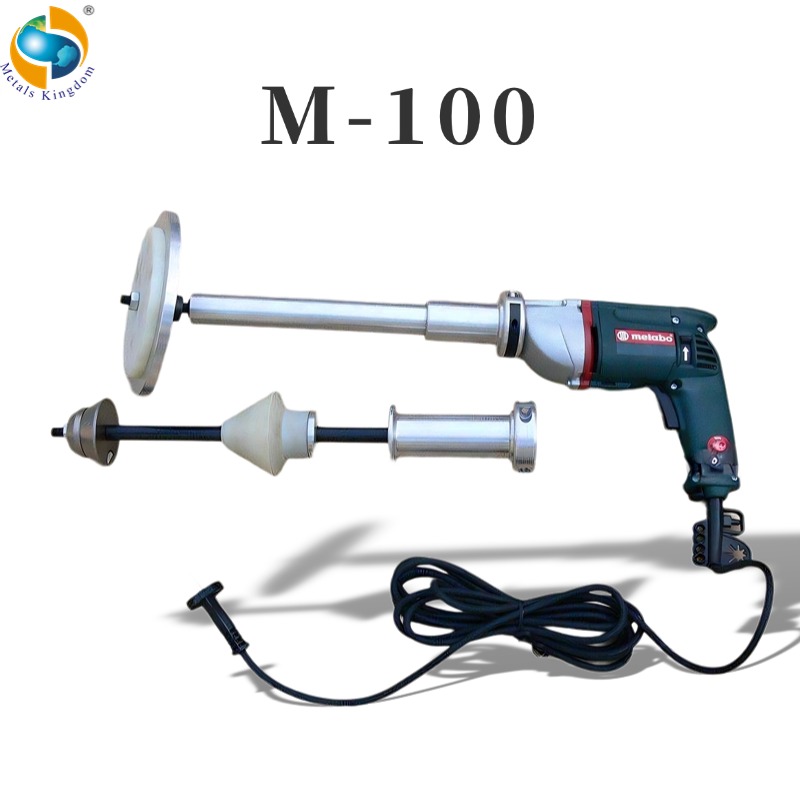
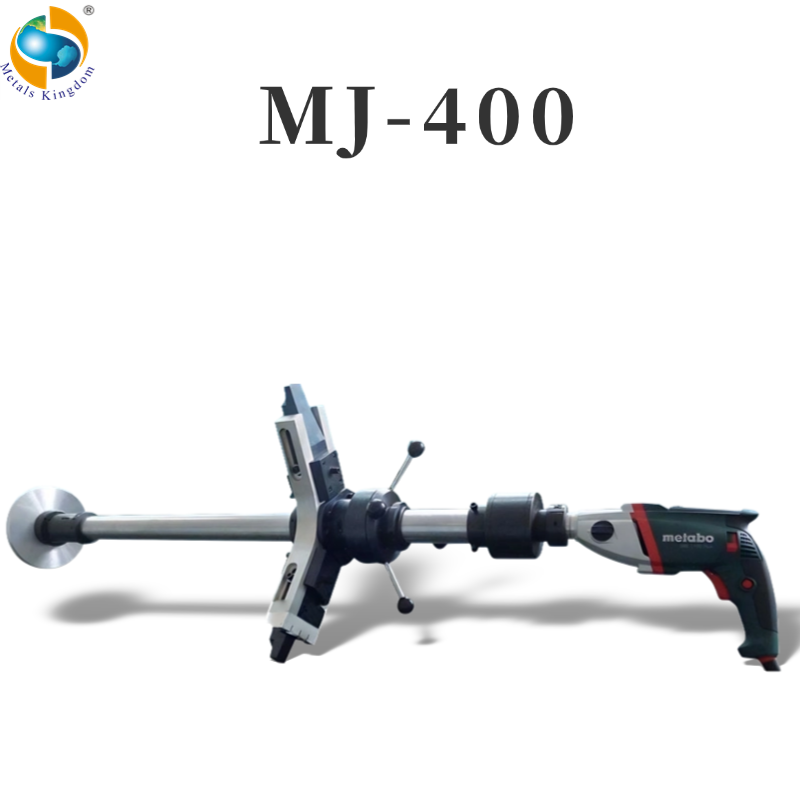
Shutdown maintenance is often planned months in advance, but the actual repair window is usually very short. When a valve is opened for inspection, the sealing surface condition may be worse than expected. If the maintenance team does not have suitable equipment on site, the valve may need to be removed, sent to a workshop, repaired, returned, installed again, and tested again. This creates extra lifting work, more coordination, and a higher risk of schedule delay.
On-site valve grinding is one practical way to reduce this kind of rework. A portable valve grinding machine allows technicians to restore the sealing surface directly at the maintenance location, especially when the valve body is difficult to remove or when the project schedule does not allow long workshop turnaround time.
For oil and gas facilities, power plants, shipyards, chemical plants, and general industrial maintenance contractors, the value is not only the grinding operation itself. The more important benefit is that the team can inspect, repair, and prepare the valve for pressure testing within a more controlled workflow.
Valve repair rework usually comes from several common situations. The first is incomplete sealing surface preparation. Even if the valve is cleaned and assembled correctly, small scratches, corrosion marks, uneven contact areas, or remaining hard deposits can cause leakage during the final test.
The second cause is poor coordination between repair and testing. If a valve is sent away for repair and then tested later, the team may only discover the problem after the valve has already returned to the site. At that point, the same valve may need to be disassembled again.
The third cause is equipment mismatch. A grinding tool that is too small, unstable, or unsuitable for the valve type can leave an uneven finish. For gate valves, globe valves, safety valves, and other industrial valves, the grinding method and tooling need to match the sealing surface form.
A portable valve grinding machine helps reduce these issues because the repair can be checked step by step while the valve is still in the shutdown maintenance process.
With on-site valve grinding, technicians can inspect the sealing surface, select the proper grinding plate or tooling, perform controlled grinding, clean the surface, and then check the contact condition before the valve is sent to the next step.
This workflow is especially useful when the maintenance team needs to decide whether a valve requires light lapping, deeper grinding, or replacement of damaged parts. Instead of waiting for a separate workshop inspection, the team can make a faster decision at the job site.
For large valves, this can reduce unnecessary lifting and transportation. For small and medium valves, it can help standardize repair quality across multiple valves during the same shutdown. For contractors, it also makes it easier to arrange equipment and technicians around the actual valve list.
Pressure testing is only meaningful when the sealing surface has been properly prepared. If a valve fails the pressure test because of visible scratches or uneven contact, the problem should have been handled before the test stage.
On-site grinding supports better preparation before testing. After grinding and cleaning, the maintenance team can check the contact band, inspect whether the sealing surface is continuous, and confirm whether additional lapping is needed. This does not replace pressure testing, but it helps prevent obvious sealing surface problems from reaching the test bench.
When used together with a valve pressure test bench, portable grinding equipment can form a more complete repair workflow: inspect the valve, repair the sealing surface, assemble the valve, perform pressure testing, and record the result.
In power plant maintenance, many valves are installed in areas where removal is time-consuming. On-site grinding can help the maintenance team deal with sealing surface wear without moving every valve to a remote workshop.
In oil and gas maintenance, shutdown time is expensive and coordination is strict. Portable equipment allows repair work to be arranged closer to the inspection area, reducing waiting time between valve opening, repair, and test preparation.
In shipyard and marine maintenance, space is often limited. Compact valve grinding tools are useful when the repair area is not suitable for large fixed machines.
For valve service companies, on-site grinding equipment also improves service flexibility. A technician can support different customer sites with the same equipment set, as long as the machine range and accessories match the valve sizes and types.
When selecting a portable valve grinding machine for shutdown maintenance, the first point is valve size range. The equipment should cover the common valve sizes in the plant, not only one special model.
The second point is valve type. Gate valves, globe valves, safety valves, and relief valves may require different fixtures, grinding plates, and operating methods. The maintenance team should confirm whether the machine is designed for flat sealing surfaces, conical surfaces, or both.
The third point is stability. During grinding, unstable positioning can create uneven surface results. A machine with suitable mounting and adjustment structure is easier to control.
The fourth point is portability. Shutdown repair often happens in different areas of the plant. A portable machine should be practical to carry, set up, and clean after use.
The fifth point is compatibility with the full maintenance workflow. Grinding equipment should work together with cleaning tools, inspection tools, valve assembly procedures, and pressure testing equipment.
On-site grinding should not be treated as a universal repair for every valve problem. If the sealing surface is deeply cracked, severely deformed, or damaged beyond the grinding allowance, replacement or workshop repair may still be required.
Technicians should also avoid excessive grinding. Removing too much material can affect sealing geometry and shorten valve service life. The goal is to restore a proper contact surface, not to remove material unnecessarily.
Cleanliness is another important point. Grinding compound, metal particles, and dust should be removed before assembly and pressure testing. Otherwise, contamination may affect the sealing result.
A better approach is to prepare the repair workflow before the shutdown begins. The team can list the valve types, common sizes, expected sealing surface conditions, required grinding accessories, and required test equipment. When the shutdown starts, technicians can move from inspection to repair and testing with fewer interruptions.
For many maintenance teams, the combination of portable valve grinding machine, valve pressure test bench, and clear repair records can reduce repeated work. It also helps managers understand which valves were repaired, what surface condition was found, what work was performed, and whether the final test result was acceptable.
On-site valve grinding is not only a machine operation. It is part of a more efficient shutdown maintenance process. By repairing the sealing surface near the valve location, maintenance teams can reduce unnecessary disassembly, shorten waiting time, and improve preparation before pressure testing.
For industrial plants and valve service contractors, choosing suitable portable valve grinding equipment can make shutdown maintenance more controlled, especially when many valves need inspection, repair, and testing within a limited schedule.
Metals Kingdom supplies portable valve grinding machines, valve pressure test benches, and related valve maintenance equipment for industrial repair applications. If you need equipment selection support for valve shutdown maintenance, please contact our team with your valve type, size range, and repair conditions.
Copyright © Metals Kingdom Industry Limited All Rights Reserved