Planned shutdown maintenance is one of the most important periods for industrial plants to inspect valves, repair sealing surfaces, replace damaged pipeline sections, and confirm system safety before production restarts. Because the shutdown window is limited, maintenance teams need clear preparation before work begins.
For valve and pipeline repair projects, the equipment plan usually includes portable valve grinding machines, valve pressure test benches, pipe cutting and beveling machines, suitable abrasives, measuring tools, lifting tools, and site safety accessories. A practical checklist helps the maintenance team reduce waiting time, avoid missing tools, and keep each repair step connected.
1. Confirm the Maintenance Scope Before Shutdown
Before arranging equipment, the team should first confirm which valves and pipeline sections will be inspected or repaired. Useful information includes valve type, valve size, pressure class, sealing surface condition, pipe outside diameter, pipe wall thickness, pipe material, and whether the work will be done in a workshop or directly on site.
This step is important because different repair tasks require different machines. A small gate valve may only need a portable valve grinding machine and suitable grinding discs, while a larger valve maintenance job may also need a pressure test bench for final inspection. If pipeline replacement is involved, pipe cutting and beveling equipment should be prepared before the shutdown starts.
2. Prepare Portable Valve Grinding Equipment
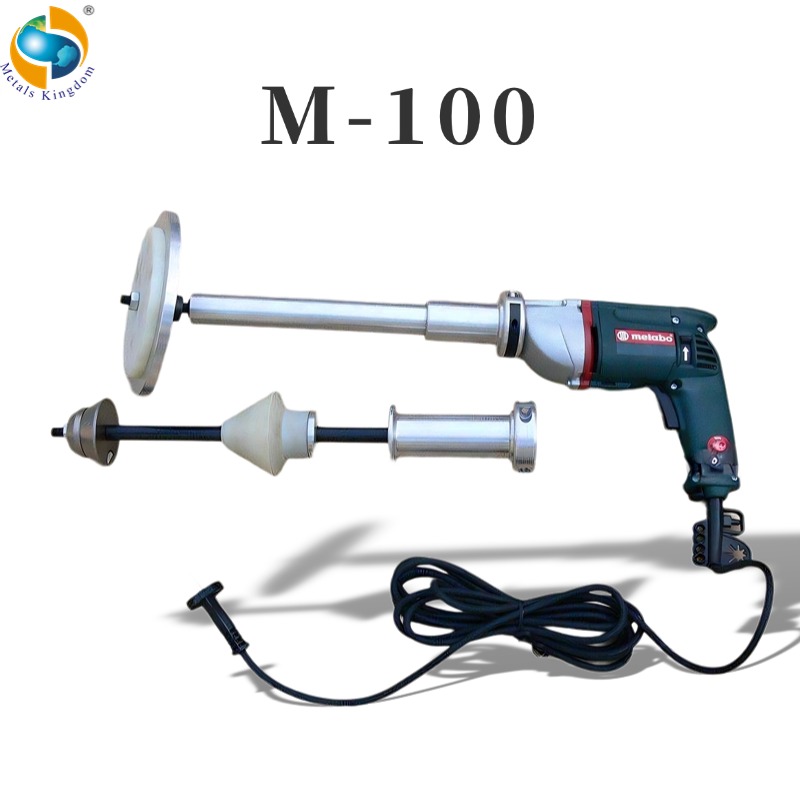
Valve sealing surface damage is a common reason for leakage. During shutdown maintenance, technicians often need to remove scratches, corrosion marks, minor pitting, or uneven sealing surfaces. A portable valve grinding and lapping machine allows repair work to be completed on site when the valve body cannot be easily moved.
Before the job, check the valve seat diameter range, machine mounting method, power supply, grinding plate size, and abrasive consumables. The operator should also confirm whether enough space is available around the valve for installation and adjustment. Preparing these details early can help avoid delays after the valve is opened.
For repeated valve repair work, it is also useful to prepare several grades of abrasive discs or lapping materials. Rough grinding, fine grinding, and final lapping may be required depending on the sealing surface condition.
3. Include Pipe Cutting and Beveling Work in the Schedule
Valve repair projects are often connected with pipeline work. If a valve must be removed, replaced, or reinstalled, the surrounding pipe may require cutting, beveling, or weld edge preparation. In shutdown projects, pipe preparation can become a time-consuming step if only manual tools are available.
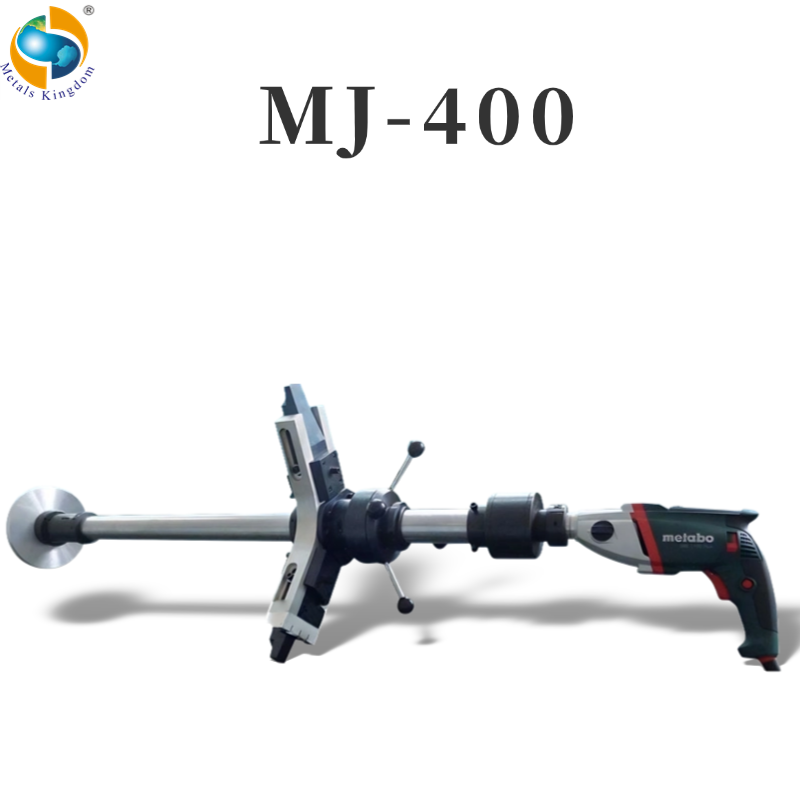
A portable pipe cutting and beveling machine helps create a cleaner pipe end and a more consistent bevel before welding. Before selecting the machine, confirm the pipe outside diameter, wall thickness, material, required bevel angle, and available working clearance. If the pipe is fixed in a narrow area, portability and clamping method are especially important.
Including pipe preparation equipment in the maintenance plan helps the team coordinate valve removal, pipeline repair, welding, and pressure testing more smoothly.
4. Plan Pressure Testing After Repair
After valve grinding, lapping, assembly, or replacement, pressure testing is often required to confirm sealing performance. A valve pressure test bench can help check whether the repaired valve meets the required test condition before it returns to service.
Before testing, prepare the correct test medium, pressure range, clamping method, sealing adapters, safety shields, and measuring instruments. Operators should follow the plant's safety procedures and applicable testing requirements. The test record should include the valve information, test pressure, holding time, visible leakage result, and final conclusion.
Pressure testing should be planned as part of the full workflow, not treated as a last-minute step. If many valves are repaired during the same shutdown, arranging the test bench schedule in advance helps prevent a bottleneck before restart.
5. Record the Repair and Test Result
Clear records are useful for both maintenance management and future spare parts planning. After the repair, the team should record the valve location, failure condition, repair method, machine used, abrasive grade, parts replaced, test result, and any follow-up recommendation.
Photos of the sealing surface before and after repair can also help the maintenance department evaluate equipment performance and track repeated leakage problems. For plants with many similar valves, these records can guide future shutdown planning and reduce emergency repair risk.
6. A Practical Equipment Checklist
For a typical shutdown valve maintenance project, the following items should be reviewed before work begins:
• Portable valve grinding and lapping machine suitable for the valve size range
• Grinding plates, lapping plates, abrasives, and consumables
• Valve pressure test bench or suitable test equipment
• Pipe cutting and beveling machine if pipe modification or replacement is expected
• Measuring tools for valve seat, pipe diameter, wall thickness, and bevel angle
• Lifting tools, mounting tools, power supply, air supply, and extension cables
• Safety protection, lighting, cleaning tools, and worksite preparation materials
• Repair records, test records, and inspection forms
This checklist should be adjusted according to the actual valve type, plant standard, and maintenance scope.
Conclusion
A successful shutdown maintenance project depends on preparation as much as repair skill. When valve grinding, pipe beveling, and pressure testing are planned together, the maintenance team can reduce waiting time and improve the consistency of repair work.
Metals Kingdom supplies portable valve grinding machines, valve pressure test benches, and pipe cutting and beveling machines for industrial maintenance applications. If you are preparing a shutdown repair project, please share your valve size, valve type, pipe size, pressure requirement, and site photos. Our team can help recommend suitable equipment for your maintenance work.