In industrial valve maintenance, pressure testing is only meaningful when the repair work before testing is controlled. If the valve seat, disc, gasket area, or sealing surface is not prepared correctly, the pressure test may fail even when the valve body is still in good condition. For maintenance teams working in power plants, petrochemical plants, refineries, shipyards, steel mills, water treatment plants, and general industrial facilities, a clear repair process helps reduce repeated disassembly and shortens downtime during shutdown or field service work.
Valve sealing surface repair is not only a grinding task. It includes inspection, damage judgment, machine selection, lapping control, cleaning, assembly, and final pressure test preparation. When these steps are connected properly, a repaired valve has a much better chance of passing the pressure test and returning to service safely.
1. Start With a Careful Visual Inspection
Before grinding or lapping, the technician should inspect the sealing surface and identify the type of damage. Common problems include scratches, pitting, corrosion marks, dents, uneven wear, embedded particles, gasket marks, and contact lines that are no longer continuous. These defects may look small, but they can create leakage paths when the valve is tested under pressure.
The inspection should also check whether the damage is limited to the sealing surface or whether the valve seat, disc, stem, gasket area, or body structure has a deeper problem. If the valve has severe deformation, cracking, heavy corrosion, or an incorrect seat angle, simple lapping may not be enough. In this situation, the maintenance team should decide whether machining, part replacement, or a different repair method is required before continuing.
2. Understand Why Valves Still Leak After Repair
A valve can still leak after grinding if the repair process only improves the surface appearance but does not restore correct sealing contact. For example, the sealing surface may look shiny but still have low spots. The disc and seat may not match each other after assembly. Abrasive compound may remain inside the valve. A gasket may be reused when it should be replaced. In some cases, the pressure test fails because the sealing pair is clean but the stem, packing, bonnet, or body joint has another leakage path.
This is why repair teams should avoid treating pressure test failure as a single problem. The failed test result should be connected back to the inspection record, lapping method, cleaning process, and assembly condition. A structured workflow makes it easier to find the real cause instead of repeating the same grinding process again and again.
3. Choose the Correct Repair Method for Each Valve Type
Different valve types require different repair methods. Globe valves and safety valves usually require more attention to seat angle, contact width, and concentricity. Gate valves often have larger sealing areas and may need stable tooling to keep the grinding plate aligned. Check valves can require careful disc and seat matching, especially when the sealing surface has uneven wear after long operation.
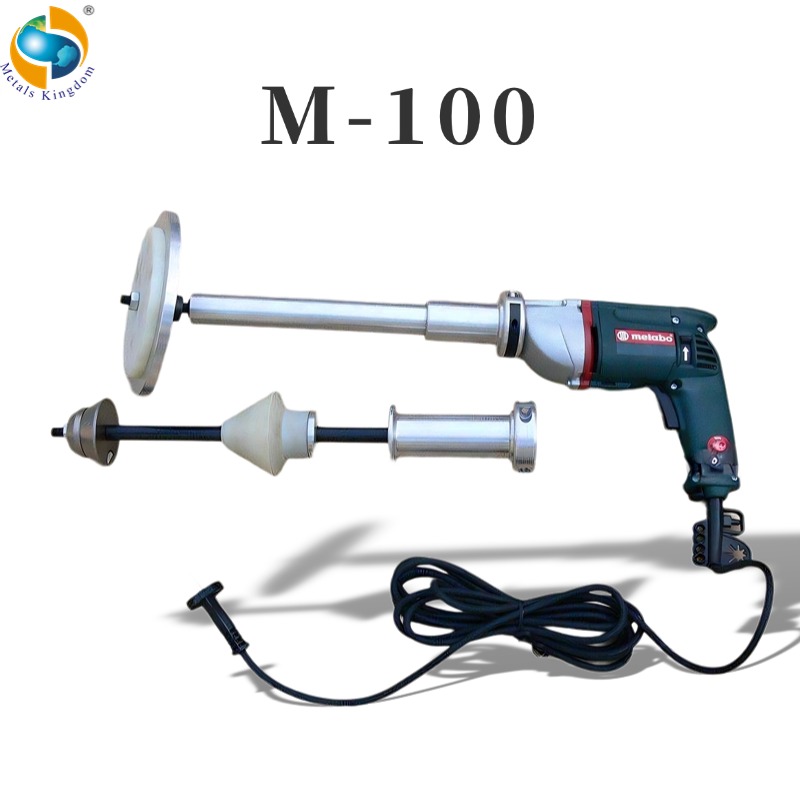
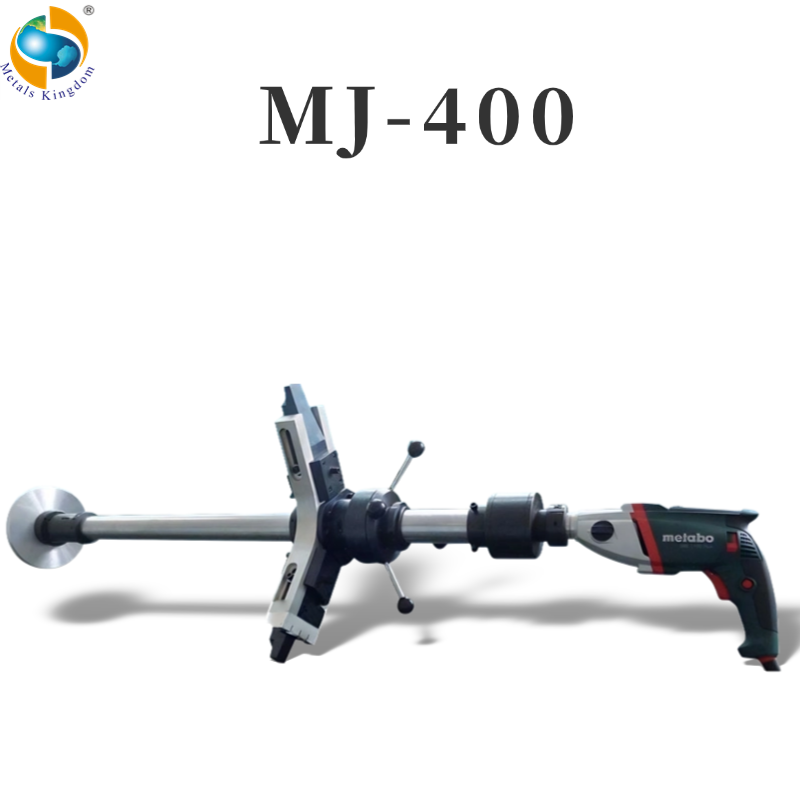
For small and medium valves, a portable valve grinding machine can often repair the sealing surface directly at the maintenance site. For larger valves, the technician needs to consider the available working space, valve orientation, power supply, clamping method, and grinding plate size. The machine should match the valve type, DN range, seat structure, and required surface finish. Using a machine outside its suitable range may reduce repair quality or increase working time.
4. Control the Lapping and Grinding Process
During lapping, the goal is to remove defects gradually without creating a new uneven surface. The technician should choose the abrasive grade according to the damage condition. Heavy scratches or pitting may require a coarser step first, followed by finer lapping. Light leakage marks may only need fine lapping and polishing. Applying too much force, using the wrong abrasive, or staying too long in one position can create new contact problems.
The operator should also control speed, pressure, and working time. A stable and repeatable movement is more important than aggressive material removal. After each step, the sealing surface should be cleaned and inspected again. If the contact pattern is still uneven, the repair should be adjusted before the valve is assembled for pressure testing.
5. Clean the Valve Before Assembly
Cleaning is a small step that has a large influence on the final result. Abrasive compound, metal particles, dust, old gasket material, and oil residue can all affect the sealing result. Even a small particle trapped between the seat and disc may cause a leakage path during the test. The technician should clean the repaired surface, adjacent parts, bolt holes, gasket area, and inner cavity before assembly.
For valves used in demanding industries, maintenance teams should also check whether the cleaning method is suitable for the working medium. Some applications require extra attention to oil, moisture, or contamination control. The purpose is not only to make the valve look clean, but to remove anything that could affect sealing, safety, or test accuracy.
6. Prepare for Pressure Testing
After the valve is repaired and assembled, pressure testing is used to confirm whether the repair is successful. A valve pressure test bench can help check shell strength, seat sealing, leakage behavior, and holding time under controlled conditions. Before the test, the team should confirm the valve type, pressure class, test medium, test direction, sealing requirement, clamping method, and safety protection.
The pressure should be raised according to the applicable test procedure. During the test, the operator should observe whether leakage appears at the seat, body, bonnet, flange, gasket area, or packing. If the valve fails, the result should be recorded clearly so the technician can decide whether the problem is related to the sealing surface, assembly, gasket, body, or another component.
7. Record the Repair and Test Result
Good records help maintenance companies provide clearer quality evidence to end users. A practical repair record may include valve type, size, pressure class, working medium, damage found, repair method, machine used, abrasive grade, cleaning steps, assembly notes, test pressure, holding time, leakage result, and final inspection notes. Photos before and after repair can also help explain the work that was completed.
These records are especially useful during shutdown projects where many valves are repaired in a short time. They help supervisors track progress, compare repeated failure cases, and plan spare parts or additional maintenance work. For service companies, clear documentation also improves communication with plant owners and inspection teams.
8. When On-site Repair Equipment Is Useful
Portable valve grinding machines are useful when valves are large, difficult to remove, or located in plants where downtime is expensive. Instead of sending every valve to a workshop, the maintenance team can repair many sealing surfaces directly on site. This can reduce handling time, transportation risk, and shutdown pressure.
Valve pressure test benches are useful when the team needs a controlled way to confirm repair quality before the valve returns to service. When portable grinding equipment and a pressure test bench are used together, the workflow becomes more complete: inspect, repair, clean, assemble, test, record, and release. This combination is suitable for many industrial maintenance teams that handle valves repeatedly throughout the year.
FAQ
Can lapping repair all valve leakage?
No. Lapping can repair many sealing surface defects, but it cannot solve every leakage problem. If the valve body is cracked, the seat is badly deformed, the disc is damaged, or the gasket and packing areas are leaking, additional repair or replacement may be needed.
Why does a valve still leak after the sealing surface looks smooth?
A smooth surface does not always mean correct sealing contact. The seat and disc must match properly, the contact width should be suitable, and the valve must be clean and assembled correctly. Pressure testing is needed to confirm the real sealing result.
What information is needed before choosing a valve grinding machine?
The basic information includes valve type, DN size, pressure class, seat angle, sealing surface diameter, working site condition, power supply, and repair purpose. Photos of the valve and sealing surface can help equipment suppliers recommend a more suitable machine.
Conclusion
Valve pressure testing does not start at the test bench. It starts with correct inspection, sealing surface repair, cleaning, assembly, and documentation. When portable valve grinding machines and valve pressure test benches are used together, maintenance teams can build a more reliable repair process and reduce repeated shutdown work.
Metals Kingdom supplies portable valve grinding machines, valve pressure test benches, and pipe cutting and beveling machines for industrial maintenance. If you need equipment for valve repair or testing, send us your valve type, DN size, pressure class, seat angle, power supply, and application photos. Our team will help recommend a suitable solution.
Copyright © Metals Kingdom Industry Limited All Rights Reserved