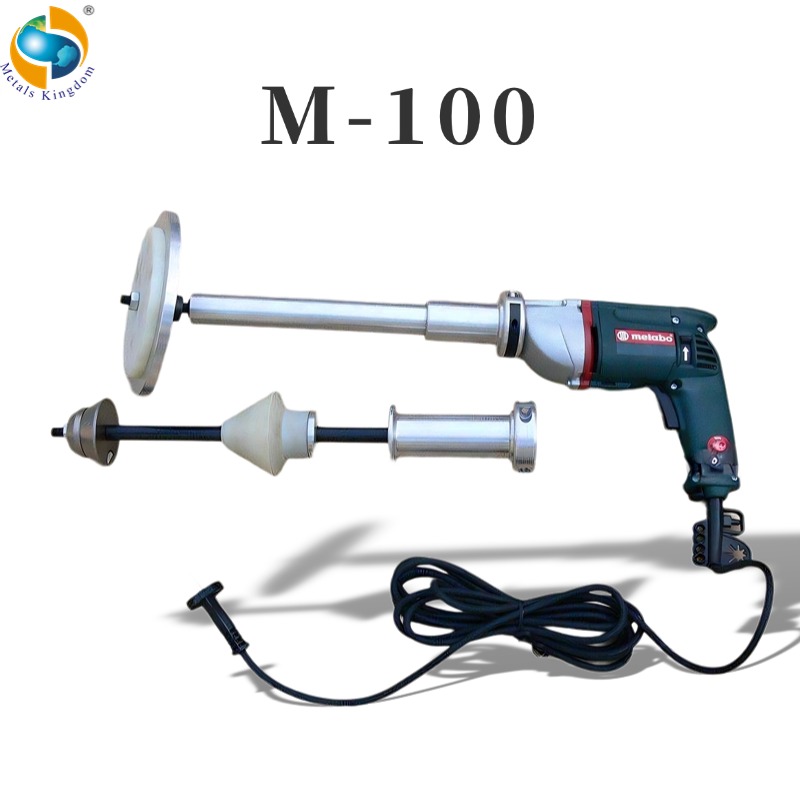
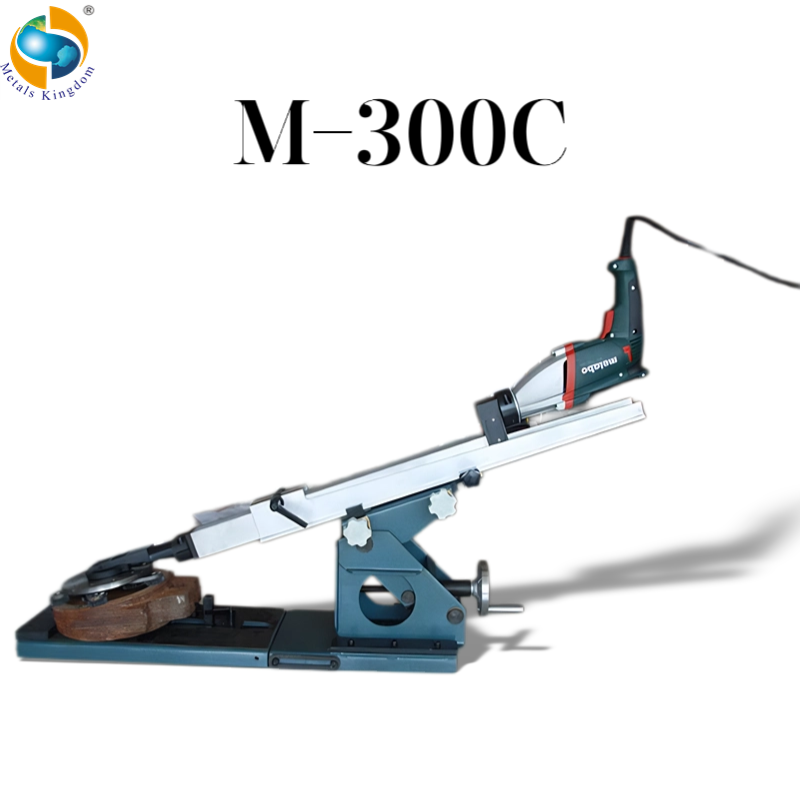
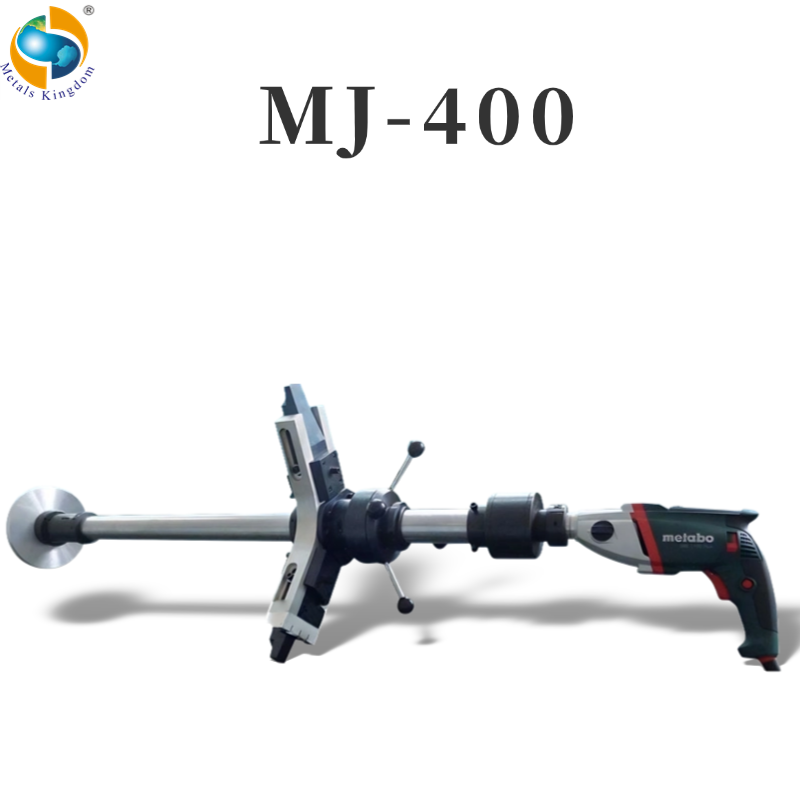
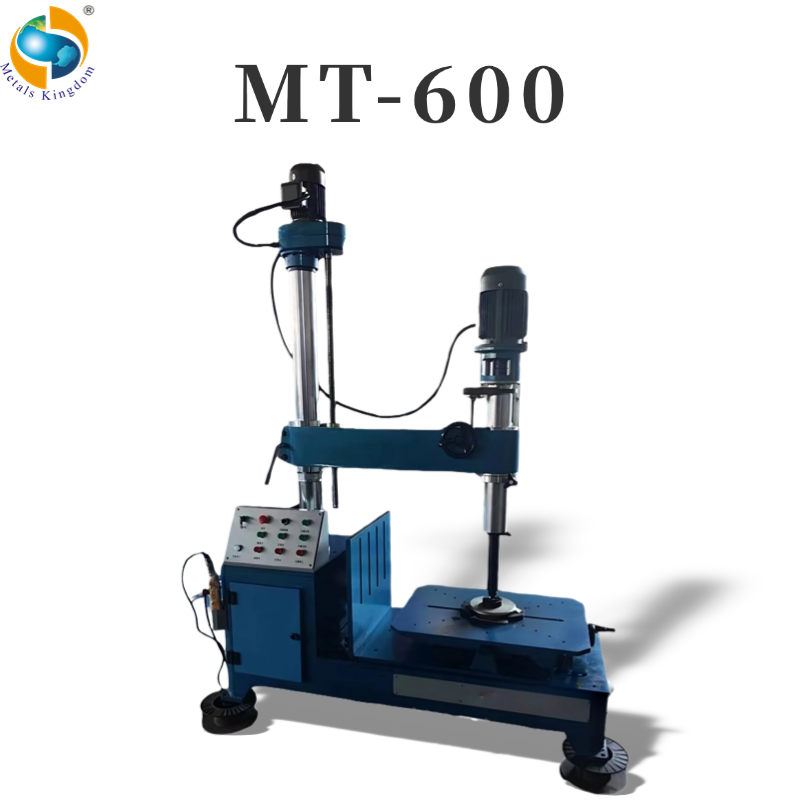
The China valve lapping machine plays an essential role in the efficient maintenance of valves. Regular maintenance ensures optimal valve performance and longevity. Many industries, such as oil and gas and water treatment, rely on these machines to keep their systems running smoothly. The need for precise valve adjustments has led to increased interest in valve lapping technology. Inadequate valve maintenance can lead to costly repairs and downtime, making quality machinery crucial.
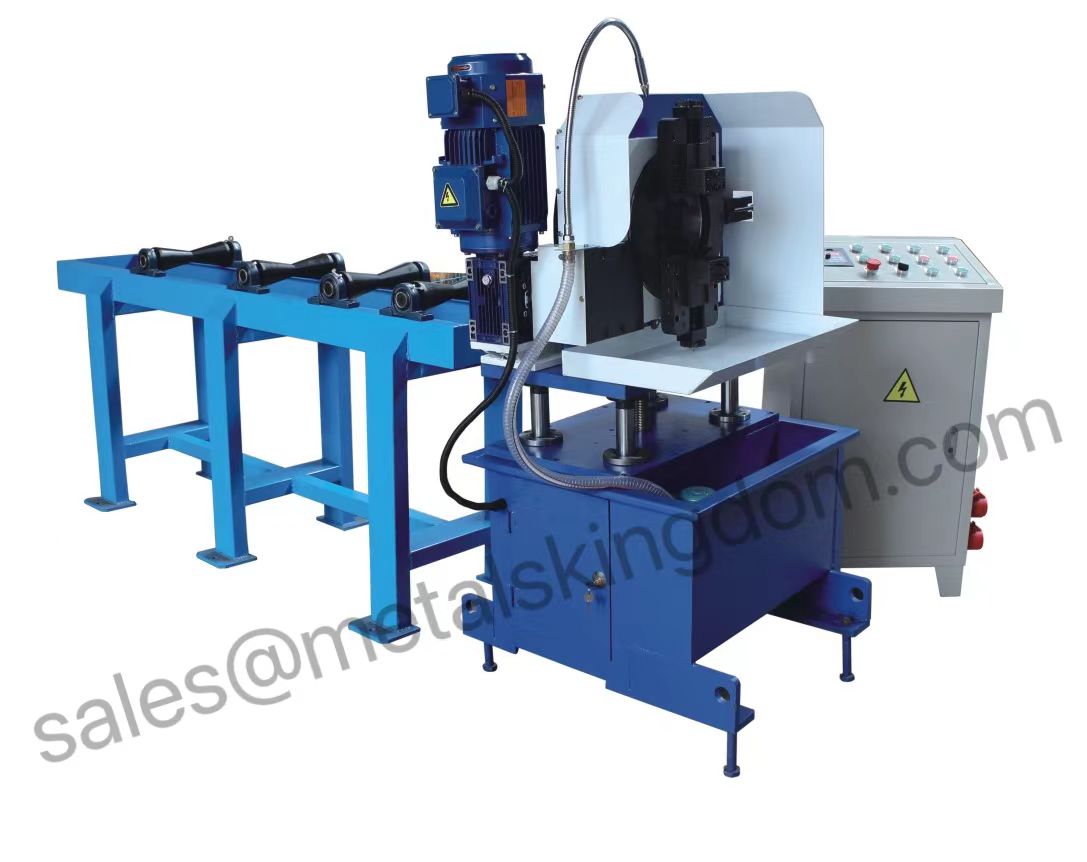
The primary use of a stationary pipeline cutting beveling machine is to prepare pipes for welding and assembly by accurately cutting and beveling the edges.
Using a pipeline cutting beveling machine results in better-fitting joints. When pipes have precisely cut edges, the welding process becomes seamless. This leads to fewer leaks and stronger connections over time.
This machine speeds up the cutting and beveling process. Workers can process more pieces in less time. This efficiency is crucial in large projects requiring rapid completion.
Safety is a priority. A beveling machine reduces human error by providing consistent and accurate cuts. This minimizes the risk of accidents during installation and operation.
Consistent quality is vital in industrial processes. The stationary pipeline cutting beveling machine ensures uniformity across all cuts, leading to reliable product performance.
Investing in effective machines like these can lead to long-term savings. Fewer mistakes mean reduced material waste and less need for rework. This directly impacts a company's bottom line.
In conclusion, the China valve lapping machine is key for maintaining efficient valve operation. The benefits of using a stationary pipeline cutting beveling machine, such as improved joint quality, increased work efficiency, safety enhancements, consistency in manufacturing, and cost savings make it an essential tool in various industries.
Industries such as oil and gas, water treatment, and manufacturing greatly benefit from its use.
It provides precise cuts, allowing for better joint fit and stronger welds.
Modern machines have advanced control systems for accuracy, safety features, and are often automated for efficiency.
Copyright © Metals Kingdom Industry Limited All Rights Reserved