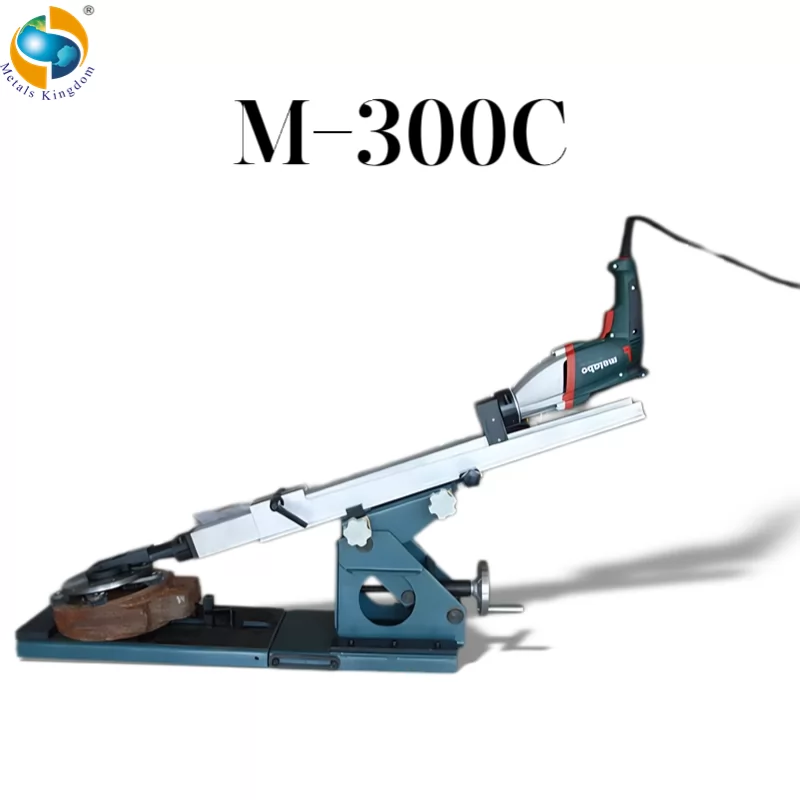
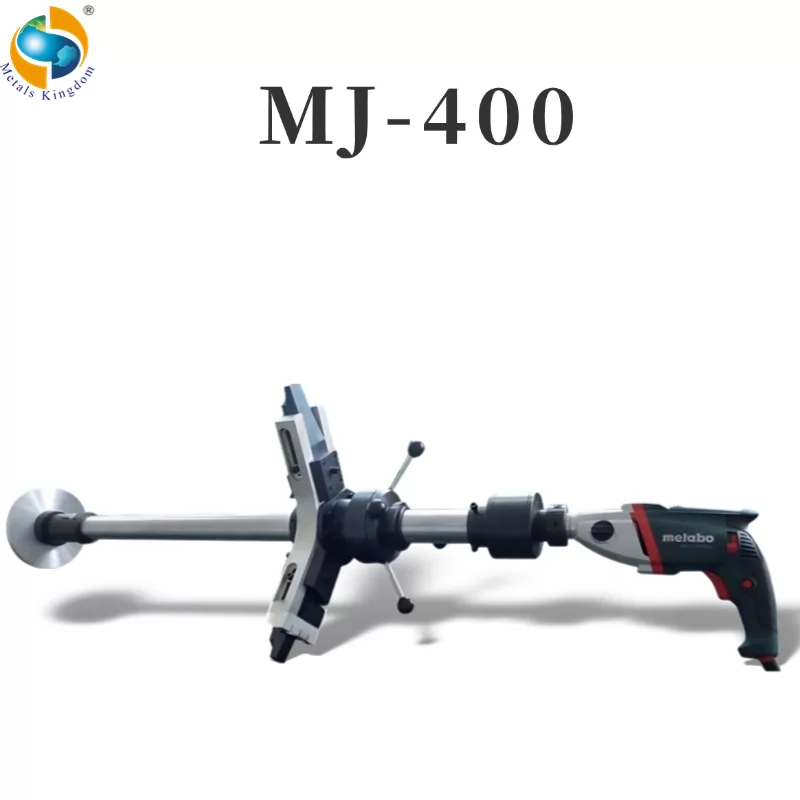
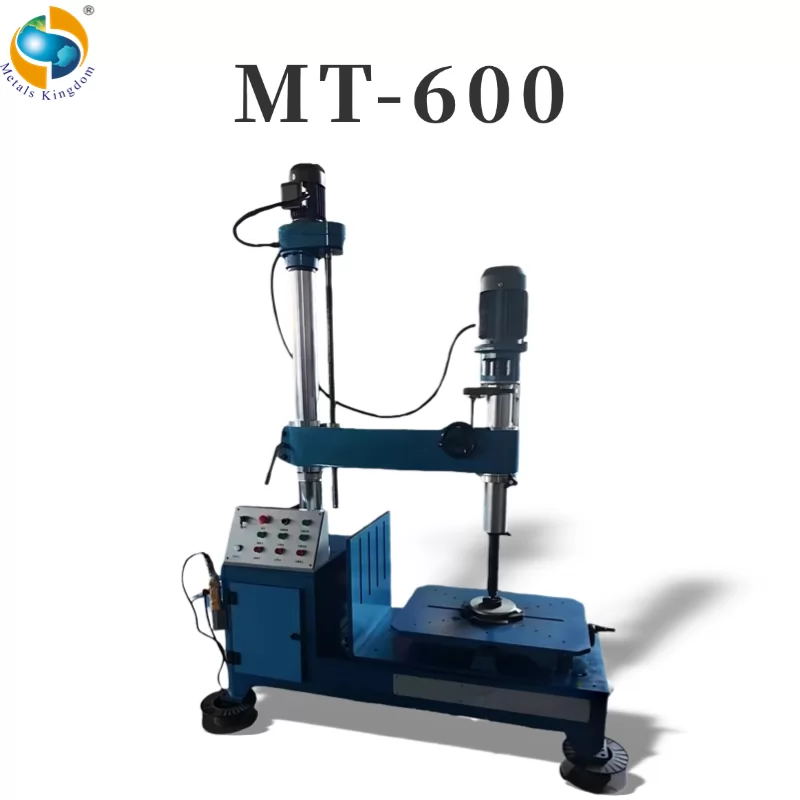
In industries where precision and efficiency are paramount, the choice between a stationary pipeline cutting beveling machine and a portable version can drastically impact operational effectiveness. Common concerns include: "Which machine adapts best to various scenarios?" or "How do I choose the right equipment for my workload?" This article will address these pain points, providing you with answers that extend beyond mere specifications. As a Valve Lapping Machine manufacturer, we are committed to equipping you with the right knowledge to make informed decisions regarding your pipeline construction or maintenance projects.
| Feature | Stationary Pipeline Cutting Beveling Machine | Portable Pipeline Cutting Beveling Machine |
|---|---|---|
| Dimensions | Typically 1.5m x 2m | Compact, often < 1m |
| Weight | ~500 kg | ~50 kg |
| Power Supply | 220V/380V | Battery-operated or 220V |
| Use Case | Ideal for large projects or manufacturing environments | Best for fieldwork and smaller tasks |
| Cost | $15,000 - $25,000 | $3,000 - $10,000 |
When determining whether to seek a stationary or portable machine, consider the environment in which each will be utilized. For instance, in a refinery operation, the precision and substantial cutting power of a stationary pipeline cutting beveling machine is unparalleled. One contractor reported a 45% time reduction in project completion using such a machine for multi-section pipeline fabrication. In contrast, a portable machine shines in renovation projects where space is limited; a technician shared their experience of completing a modification on a remote site in under four hours, illustrating how portability can drive significant savings in downtime.
Cost is often at the forefront of purchasing decisions. Stationary machines generally require a higher investment upfront due to their size and capabilities—with prices ranging from $15,000 to $25,000. However, their efficiency in large-scale operations can lead to considerable long-term savings. In contrast, a portable pipeline cutting beveling machine typically costs between $3,000 to $10,000, making it accessible for smaller businesses or on-site projects. Weighing the costs against performance capabilities will ultimately guide your choice of equipment.
User feedback serves as a valuable resource in determining the right machine for your needs. Users of the MetalsKingdom stationary machine often rave about its stability and precision, with one review stating, "After switching to the MetalsKingdom model, our accuracy improved by 30% and our waste dropped by 12%." Portable machine users tend to appreciate the convenience, with comments like, "Perfect for tight spaces; it saved us hours!" Both devices hold merit, showing that the best choice often hinges on specific project requirements and constraints.
When evaluating your needs, consider these key factors:
Based on our research and user experiences, we recommend the following:
In conclusion, the appropriate choice between a stationary and portable pipeline cutting beveling machine largely depends on your specific requirements. If you are involved in extensive, high-volume operations, a stationary machine is likely the better fit. Conversely, if flexibility and accessibility on job sites matter more, a portable machine might be ideal. Since both options have unique advantages, understanding your project requirements and long-term goals will guide you in making the right investment.
Take the first step towards optimizing your pipeline operations by contacting MetalsKingdom today for a consultation tailored to your business needs. Our experts are here to help you navigate the various options and choose the best machine suited to your particular scenario.
They offer precision and stability, ideal for large-scale operations, allowing for better accuracy and efficiency in cutting.
While it is possible, a stationary machine is generally recommended for greater productivity and precision in such settings.
Regular checks on power supply, blade conditions, and lubrication systems are essential for both types of machines to ensure optimal performance.
Copyright © Metals Kingdom Industry Limited All Rights Reserved