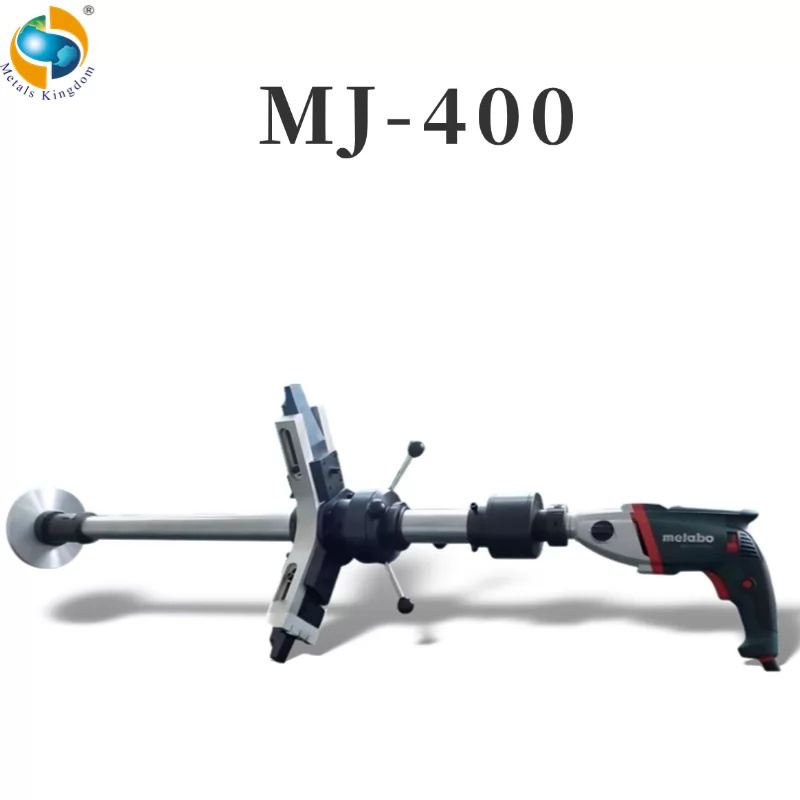
Stationary valve grinding machines play a crucial role in various industrial applications, particularly when it comes to maintaining optimal performance and precision in valves. These machines are widely used in sectors such as oil and gas, water treatment, and power generation. The efficiency of these grinding machines significantly impacts the overall equipment reliability and operational costs. In this article, we will explore the applications of stationary valve grinding machines, their benefits, and a detailed step-by-step process to achieve the best results.
In the oil and gas sector, stationary valve grinding machines are essential for the maintenance of pipeline valves and associated equipment, ensuring safety and efficiency.
Power plants frequently utilize these machines to grind valves for turbines, ensuring they operate smoothly and efficiently, which leads to reduced downtime.
Water treatment facilities use stationary valve grinding machines to maintain valves that control the flow of water, thereby guaranteeing system integrity and performance.
In marine environments, valve maintenance is critical due to harsh conditions, and grinding machines help ensure valves perform reliably.
Regular grinding of valves enhances reliability, minimizing the risk of leaks and failures.
By prolonging the lifespan of valves, these machines reduce replacement costs over time.
Properly ground valves operate more efficiently, contributing to better overall system performance.
Maintaining valves ensures they function correctly, which is crucial for safety in industrial environments.
The grinding process for stationary valve grinding machines follows a structured procedure to ensure precision. Below is a step-by-step guide:
Inspect the valve to assess the condition before grinding.
Set the valve grinding machine according to the specific requirements of the valve.
Begin the grinding process, using appropriate grinding wheels and techniques.
Conduct a final inspection to ensure the valve meets the required specifications.
| Grinding Technique | Advantages | Disadvantages |
|---|---|---|
| Stationary Grinding | High precision, suitable for heavy-duty applications | Less portable |
| Portable Grinding | Versatile, great for on-site maintenance | Lower precision compared to stationary |
Regular maintenance of stationary valve grinding machines is essential for ensuring consistent performance and longevity:
Always clean the grinding area after each use.
Check alignment and calibration regularly.
Ensure that grinding wheels are in good condition.
Lubricate moving parts as recommended by the manufacturer.
Stationary valve grinding machines are pivotal in various industries, providing critical applications that enhance reliability, reduce costs, and improve safety. By understanding the benefits and following best practices in operation and maintenance, companies can achieve optimal performance from their valve grinding equipment. The investment in quality machinery such as those from MetalsKingdom is an investment in efficiency and precision for any industrial operation.
Copyright © Metals Kingdom Industry Limited All Rights Reserved