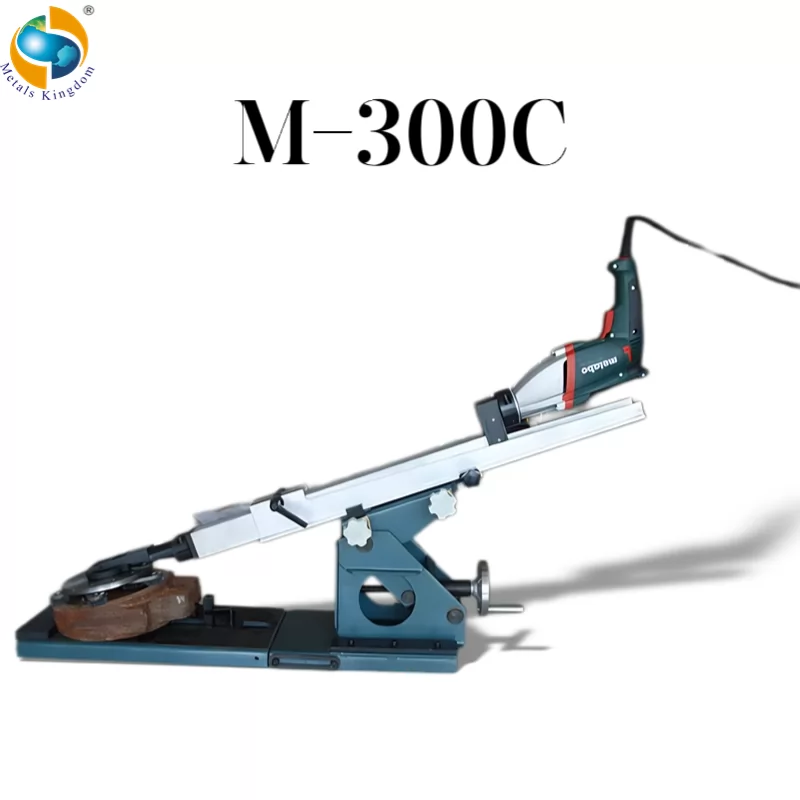
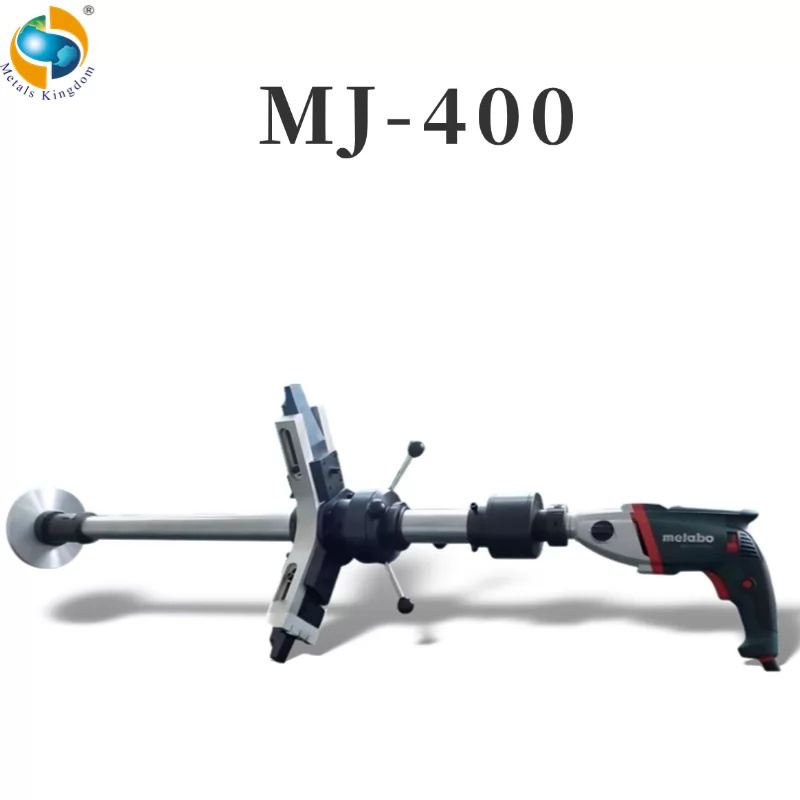
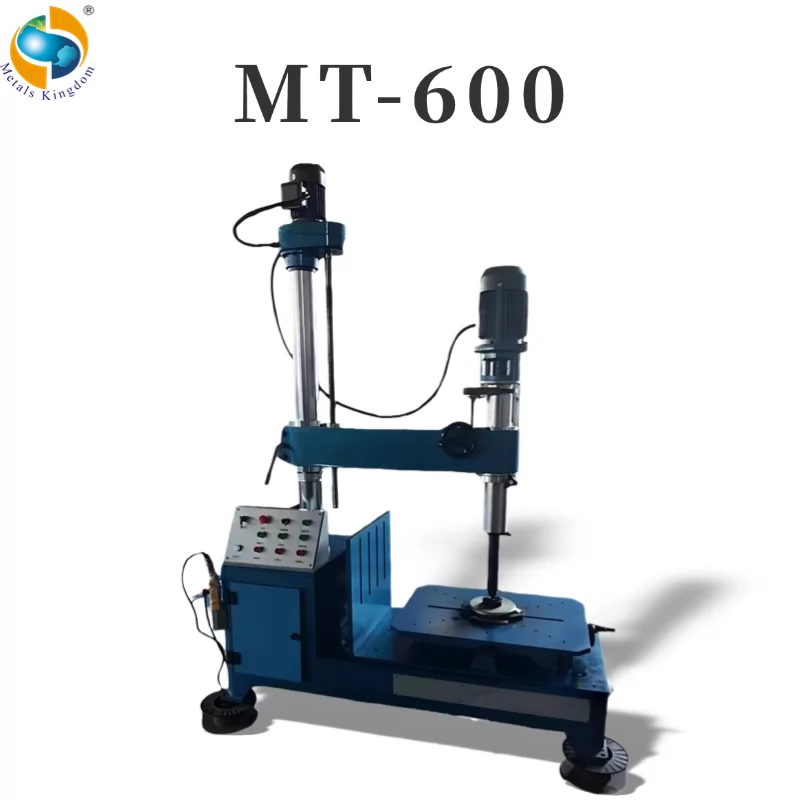
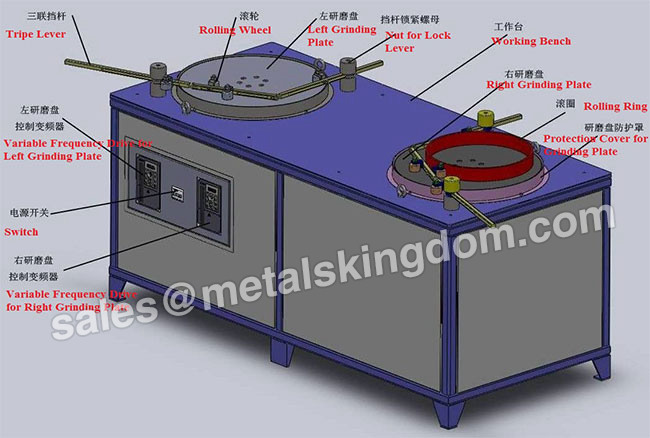
The operation of a stationary valve grinding machine often presents challenges such as uneven surface finishes, excessive heat generation, and potential equipment damage if not handled correctly. As a Valve Lapping Machine manufacturer, we understand that efficient and safe operation can enhance productivity and ensure longer machine lifespan. Proper usage not only resolves these pain points but can also significantly improve the quality of the finished product, leading to increased customer satisfaction and reduced rework time, which is critical in competitive industries.
Before diving into specific operational tips, it is vital to understand what a stationary valve grinding machine is and how it operates. This machine is essential in industries where valve maintenance is crucial, such as oil and gas, water treatment, and automotive sectors, allowing for precise grinding and lapping of valve seats. Regular use and adherence to best practices help maintain product quality and machine reliability.
Why: Consistent maintenance ensures optimal performance and longevity of your valve grinding machine.
Routine checks and maintenance, such as cleaning and lubrication, should be performed as outlined in the manufacturer's manual. This includes checking for wear on grinding wheels and alignment issues. For instance, according to materials from MetalsKingdom, consistent inspections can reduce machinery downtime by approximately 25%, leading to a more reliable operation.
Suitable for all users, especially those operating heavy machinery in a production environment.
Why: Using the correct grinding wheel optimizes grinding efficiency and surface finish.
Select a grinding wheel that matches the materials of the valves being processed. For instance, a diamond grinding wheel offers the best results for hard materials, minimizing wear and maximizing surface smoothness. A study by the Manufacturing Engineering Society found that the appropriate wheel can enhance grinding precision by up to 30%.
This is particularly beneficial in scenarios where high-precision results are needed, such as in aerospace applications.
Why: Operating at optimal speeds prevents overheating and improves finishing quality.
Adjust the machine's speed according to the type of valve material being ground. Slower speeds are better for tougher materials, whereas faster speeds work for softer metals. Studies indicate that operating at optimal speed can result in a reduction of thermal damage by up to 40%.
This approach is suitable for users handling various types of materials, especially when transitioning between soft and hard metals.
Why: Adequate cooling during the grinding process prevents material distortion.
Incorporate cooling fluids to lower the temperature on the grinding wheel and the valve during operation. Implementing a cooling system can reduce the risk of warping by 50%, ensuring that components retain their integrity.
This is crucial for professionals in industries with strict temperature compliance standards, such as HVAC and automotive sectors.
Why: Accurate measurements ensure the correct fit and function of valves.
Use micrometers and calipers to measure valve dimensions before and after grinding. Maintaining a tolerance level of +/- 0.001 inches can significantly improve the performance and sealing capabilities of the valves, as confirmed in industry best practices.
Essential for quality assurance departments in manufacturing setups where precision is non-negotiable.
To operate a stationary valve grinding machine effectively, regular maintenance, appropriate grinding wheel selection, controlled speed, proper cooling, and accurate measurements are crucial. Implementing these tips can lead to a significant increase in grinding efficiency and overall product quality.
Q: How often should I perform maintenance on my valve grinding machine?
A: It's advisable to conduct maintenance checks weekly, or more often if the machine is used frequently.
Q: What is the best type of grinding wheel for stainless steel?
A: A diamond or CBN (Cubic Boron Nitride) wheel is recommended for grinding stainless steel components.
Q: Can I use tap water as a coolant?
A: While tap water is an option, specially formulated cutting fluids will yield better results in terms of cooling and minimizing corrosion.
For further insights, refer to visual guides available at MetalsKingdom, which provide practical visuals of proper operations and maintenance.
Copyright © Metals Kingdom Industry Limited All Rights Reserved