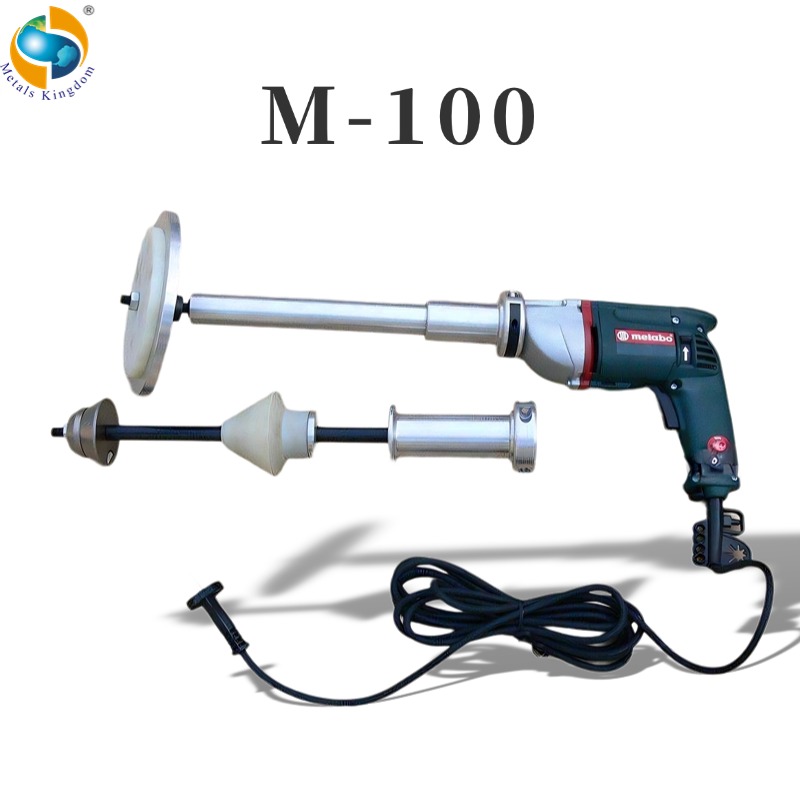
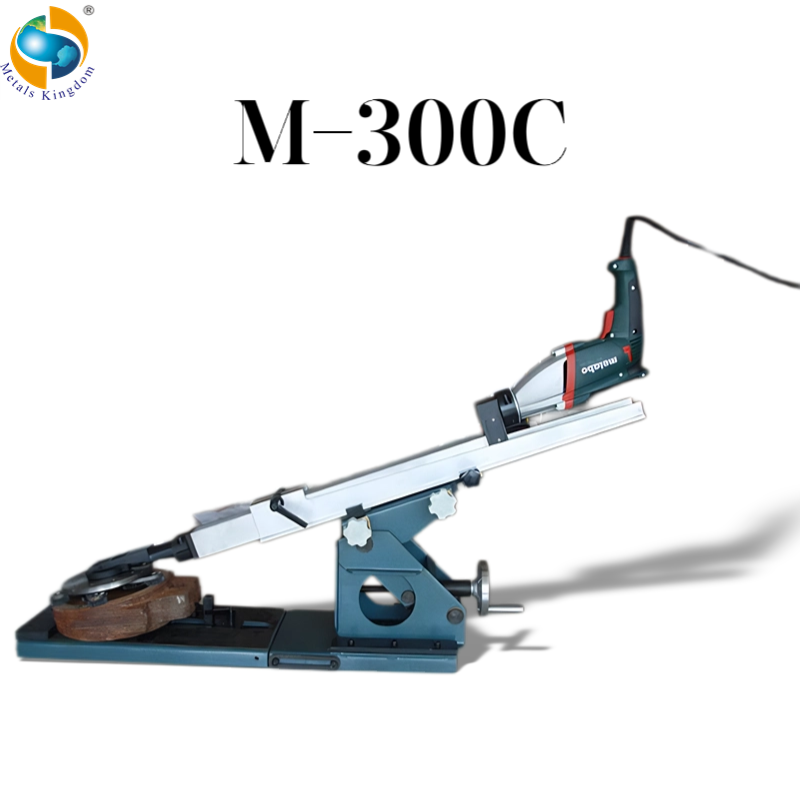
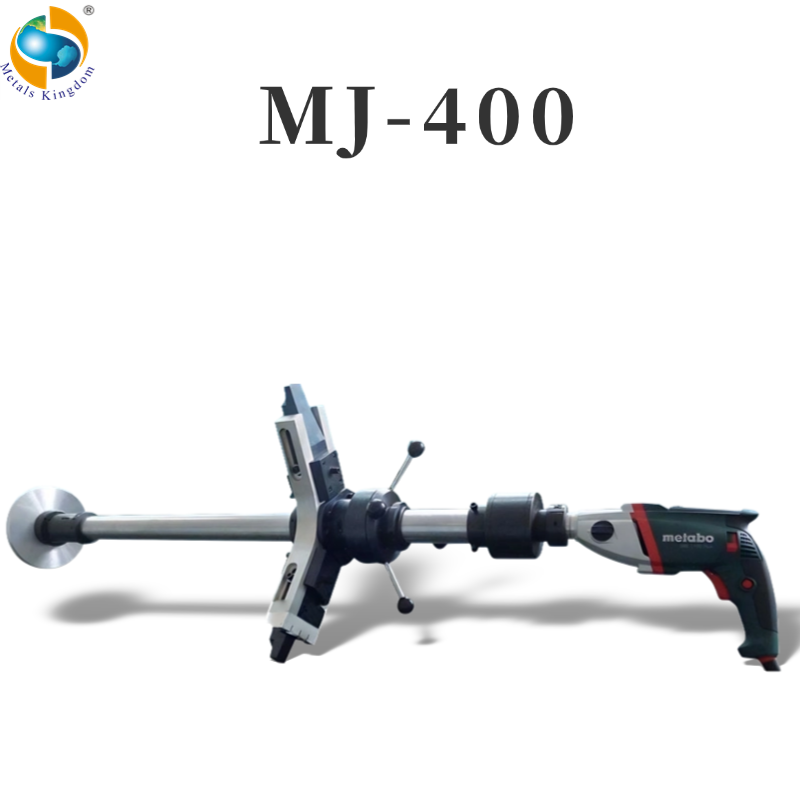
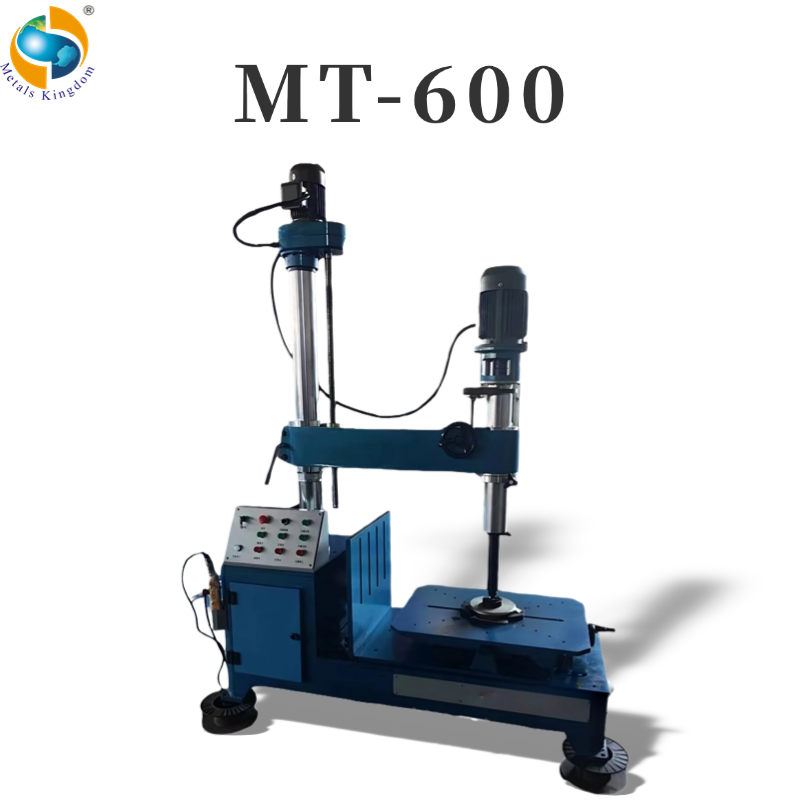
In today's industrial landscape, precision and efficiency are paramount. With the increasing demands of pipeline welding, manufacturers face difficulties such as high labor costs, inconsistency in cuts, and the need for precise beveling angles. The Valve Lapping Machine manufacturer sector is witnessing significant innovations. Solutions like the top stationary pipeline cutting beveling machines are crucial for solving these challenges, significantly increasing productivity and reducing operational costs. By investing in quality machines, manufacturers can enhance the overall effectiveness of their operations, resulting in smoother installations and longer-lasting joints.
The top stationary pipeline cutting beveling machines are designed for high-performance operations involving the cutting and beveling of pipes. These machines are essential for ensuring that pipes are prepared adequately for welding and other joining processes. The machines typically feature robust construction for high durability, advanced control systems for precise operations, and enhanced safety features.
One significant advantage is their ability to handle a wide range of pipe diameters and wall thicknesses. Reports indicate that using advanced beveling machines can reduce weld defects by up to 45%, resulting in improved structural integrity. Additionally, a survey by ResearchGate indicates that the use of stationary machines can lead to productivity increases of over 30% in heavy fabrication environments, making them indispensable for manufacturers.
The price range for stationary pipeline cutting beveling machines typically falls between $5,000 to $30,000, depending on features and capabilities. These machines cater to a variety of sectors, including oil and gas, construction, and shipbuilding, whether for small workshops or large manufacturing facilities.
Selecting the right machine involves considering several factors: the type of material you'll be cutting, the thickness of the pipes, and the precision required for the bevels. Additionally, examining machine features such as automated feed rates, the range of bevel angles available, and ease of use can greatly assist in the selection process. Customers should also seek demonstrations from manufacturers like MetalsKingdom to understand the operational efficiency before making decisions.
Many purchasers have reported significant improvements in their operations after integrating metals cutting machines into their workflow. A case study published on Industry Week showcases a company that reduced their welding preparation time by 40% after switching to a MetalsKingdom beveling machine, significantly enhancing both productivity and profitability.
For industries looking to enhance their cutting and beveling capabilities, reaching out to MetalsKingdom is recommended. Their expert team can guide you through selecting the right machine tailored to your specific needs. Visit MetalsKingdom for more information or contact them directly to discuss your project requirements.
Q1: What materials can these machines cut?
A1: Most stationary pipeline cutting beveling machines can tackle multiple materials, including carbon steel, stainless steel, and plastic composite piping.
Q2: How precise are the bevel angles with these machines?
A2: Precision typically ranges from ±1 degree, depending on the model and setup of the machine, ensuring accurate joining surfaces for welding.
Q3: Are there training resources available for new users?
A3: Yes, MetalsKingdom and many suppliers offer training programs and resources to help new users get the most out of their machines.
Copyright © Metals Kingdom Industry Limited All Rights Reserved