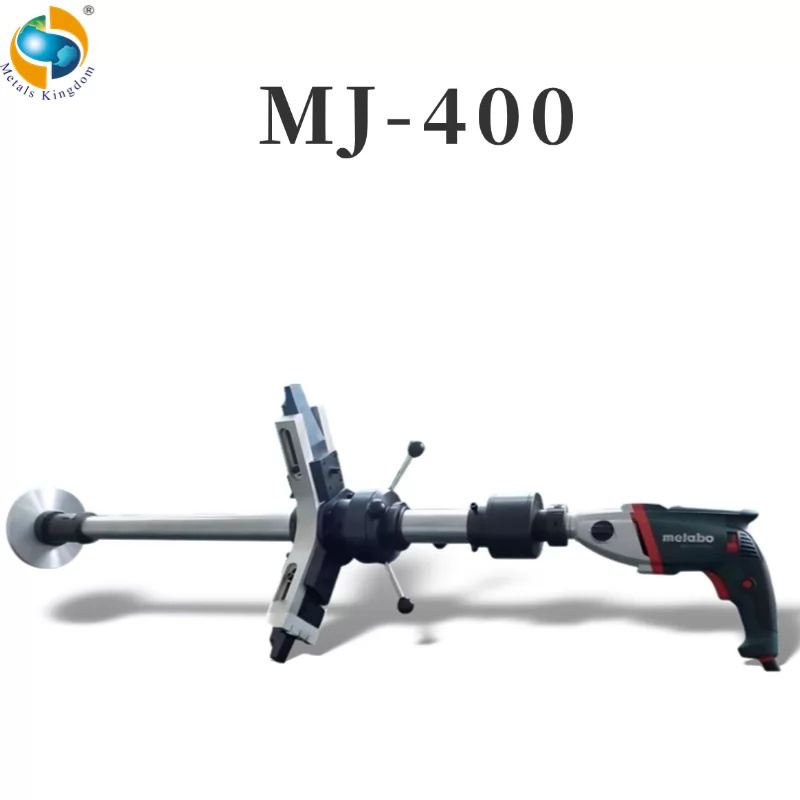
On-site valve repair is usually arranged when the maintenance window is short and removing the valve from the pipeline would create extra lifting, transport and waiting time. A portable valve grinding machine can help technicians restore the sealing surface directly at the plant, power station, shipyard or workshop. However, the result depends not only on the machine itself. Before grinding starts, the team needs to confirm the valve type, size range, mounting condition, abrasive selection and inspection method.
A clear setup checklist helps maintenance teams avoid common problems such as unstable installation, wrong grinding plate selection, uneven contact area, excessive material removal and contamination before pressure testing. For buyers and service contractors, the checklist also makes it easier to choose the correct valve grinding machine configuration before placing an order.
The first step is to identify the valve structure. Gate valves, globe valves, safety valves, check valves and relief valves may require different grinding methods. A flat gate valve sealing surface is different from a conical globe valve seat. A safety valve seat may need more careful control of the contact band and surface finish.
Before selecting the machine, confirm whether the repair target is the valve seat, valve disc, wedge, nozzle or another sealing part. If both the seat and disc need repair, the accessories should support both surfaces. A portable valve grinding machine may be suitable for several valve types, but the fixture, grinding plate and operating method must match the actual sealing surface.
Useful information for selection includes valve type, DN size or inch size, seat angle, sealing surface width, installation position and whether the valve can be opened fully for tool access.
Many on-site problems happen because the equipment is taken to the jobsite before the size range is confirmed. A machine that is suitable for DN20 to DN150 valves cannot replace a larger gate valve grinding machine used for DN300, DN600 or bigger valves. The opposite is also true: a large and heavy tool may not be convenient for small valves in a narrow area.
For plant shutdown work, maintenance teams should prepare a valve list before the job starts. The list should include common sizes, valve types and the number of valves expected for repair. This allows the team to bring the correct machine body, extension parts, grinding plates, abrasive paper or paste, and spare consumables.
For a purchasing inquiry, the same information helps the supplier recommend a more accurate configuration instead of only quoting a general model.
Stable mounting is essential for consistent grinding results. If the machine is not centered correctly or if the fixture is loose, the grinding surface may become uneven. Before operation, technicians should check whether the valve body can support the fixture, whether there is enough space for rotation, and whether the operator can keep the machine stable during the full grinding process.
On-site repair areas may include vertical pipelines, horizontal valve bodies, high platforms, limited access areas and outdoor conditions. The machine should be positioned so that the operator can control pressure and movement without forcing the tool. If the valve is installed in a difficult position, the team should confirm whether additional support, extension accessories or a different tool arrangement is required.
The abrasive should match the actual damage. Light scratches and minor leakage marks may only require fine lapping. Corrosion pits, deeper scratches or uneven contact areas may require a more gradual process, starting with a coarser abrasive and moving to finer finishing steps.
Using an abrasive that is too aggressive can remove more material than necessary. Using an abrasive that is too fine at the beginning can waste time and leave damage uncorrected. The goal is to restore a continuous sealing contact surface while preserving the correct geometry of the valve seat.
Maintenance teams should keep abrasive materials clean and separated by grit. Used abrasive, metal particles and dust should not be allowed to enter the valve cavity or remain on the sealing surface after repair.
A portable valve grinding machine should be operated with controlled pressure. Excessive pressure may cause uneven wear, overheating or unnecessary material removal. Too little pressure may fail to correct the sealing surface. The operator should follow a stable rhythm and inspect the surface between grinding steps instead of grinding continuously without checking.
For repeated shutdown work, it is useful to record the approximate grinding time, abrasive steps and inspection results for different valve types. This helps the team build a practical repair standard and avoid depending only on personal experience.
After grinding and cleaning, the sealing surface should be inspected before the valve is assembled for pressure testing. The contact band should be continuous and even. Obvious scratches, broken contact areas, heavy pitting or remaining hard deposits should be corrected before testing.
Pressure testing is not a substitute for surface inspection. If a valve fails the test because the sealing surface was not prepared properly, the repair team may need to disassemble and grind again. A simple inspection step before testing can reduce repeated work and help the shutdown schedule stay under control.
When a valve pressure test bench is available, the workflow can be arranged as inspection, grinding, cleaning, assembly, pressure testing and record keeping. This makes the repair process easier to manage and more transparent for supervisors.
On-site valve repair should not depend on a single grinding plate or one set of consumables. Before the team starts, check whether spare abrasive paper, grinding paste, cleaning materials, plates, adapters, power supply parts and common wearing parts are available. A small missing accessory can stop the work even when the main machine is in good condition.
For contractors who service different plants, it is practical to keep a standard portable valve grinding kit. The kit can include commonly used accessories for gate valves, globe valves and safety valves, together with a checklist for voltage, compressed air, packing size and transport requirements.
The best valve grinding machine is not always the largest model. The correct choice depends on valve size, valve type, repair frequency, site access and required surface quality. For small and medium valves, a compact portable machine may improve speed and flexibility. For larger gate valves, a more robust machine with suitable fixtures and plates may be needed.
Before buying, users should compare the machine range with their real valve list. They should also confirm whether the machine can support the most common repair tasks instead of focusing only on one special case. This is especially important for power plants, oil and gas facilities, chemical plants, shipyards and valve maintenance service companies.
A portable valve grinding machine can be a practical tool for on-site valve maintenance, but good results depend on preparation. Confirming the valve type, size range, fixture condition, abrasive process, grinding control and inspection method before repair can reduce rework and improve the quality of sealing surface preparation.
For maintenance teams planning shutdown repair, a structured setup checklist is a simple way to make valve grinding work more predictable. It also helps buyers communicate requirements clearly when selecting a valve grinding machine and related accessories.
Copyright © Metals Kingdom Industry Limited All Rights Reserved