On-site valve maintenance is not finished when the sealing surface looks clean. After grinding, lapping, seat repair, or parts replacement, the maintenance team still needs to confirm that the valve can hold pressure safely and that leakage is within the required standard.
A valve pressure test bench provides this final verification step. It helps service teams check shell strength, seat sealing, clamping stability, and leakage performance before the valve returns to the pipeline.
Industrial valves work in power plants, chemical plants, refineries, shipyards, steel mills, and pipeline systems. Even a small sealing problem can cause product loss, safety risk, unplanned shutdown, or repeated maintenance.
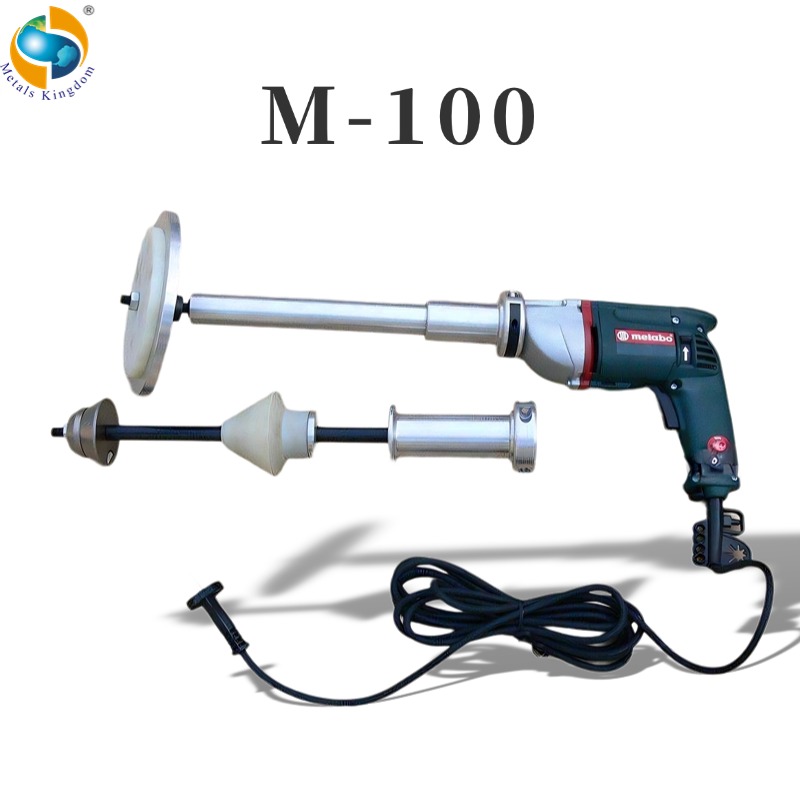
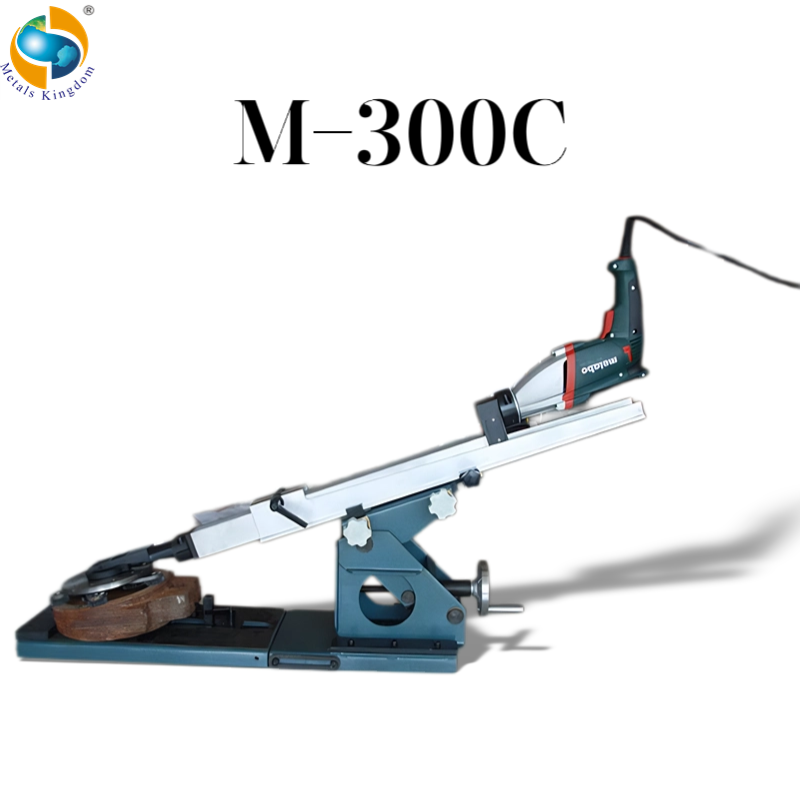
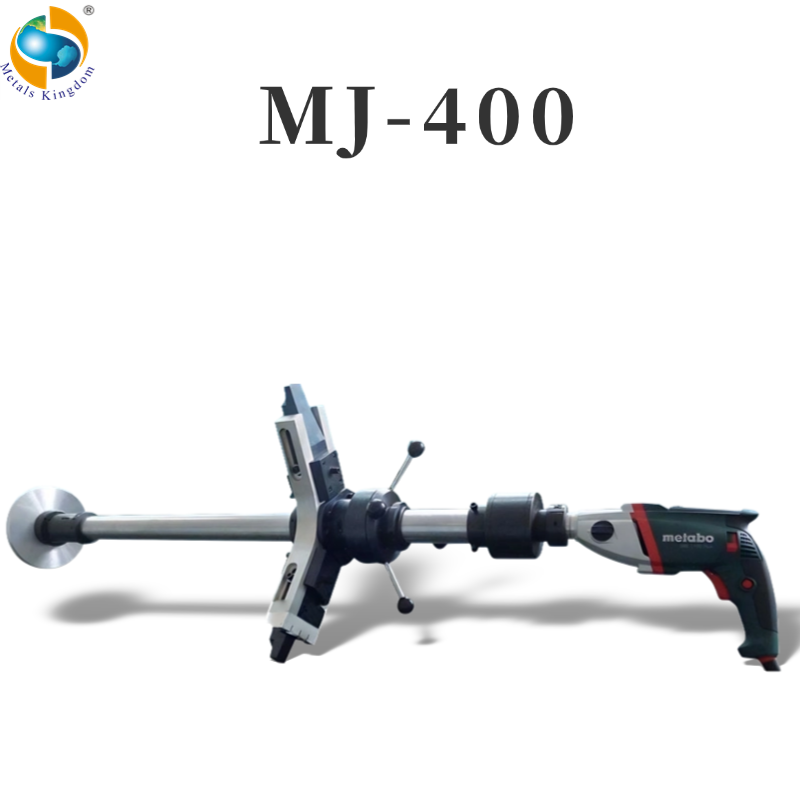
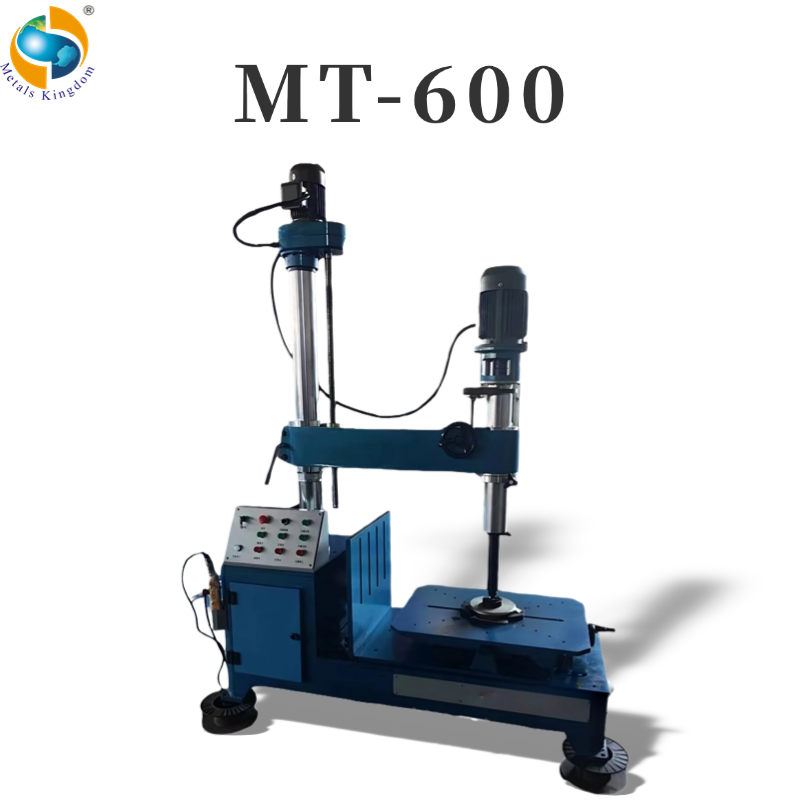
Portable valve grinding machines can restore damaged sealing surfaces, but visual inspection alone cannot prove the result. A pressure test bench gives a controlled way to confirm whether the repaired valve meets the operating requirement.
For maintenance companies, this also creates clear test evidence for customers. The technician can record the test pressure, holding time, medium, leakage condition, and valve size for future traceability.
Depending on the valve type and project requirement, a valve pressure test bench may be used for several checks.
The shell test checks the strength and integrity of the valve body under pressure. The seat sealing test checks whether the sealing pair can prevent leakage when the valve is closed. For safety valves or relief valves, additional setting and sealing checks may be required.
Water is commonly used for hydrostatic testing, while air or nitrogen may be used for pneumatic testing when the procedure allows it. The correct medium, pressure, and holding time should always follow the applicable standard or customer specification.
Before choosing or using a test bench, the maintenance team should confirm the valve size, pressure class, flange standard, valve structure, and test method.
Horizontal valve test benches are widely used for gate valves, globe valves, check valves, ball valves, and similar industrial valves. Vertical or top-pressure structures may be suitable for certain valve types and workshop layouts.
For large valves, clamping force, sealing plate size, hydraulic system capacity, and workspace around the bench are important. For smaller service jobs, a compact test bench can improve daily maintenance efficiency without occupying too much workshop space.
A professional valve repair process should not rely only on a pass or fail result. The test record should include:
These details help the end user understand the repair result and help the service provider maintain consistent quality control.
For many valve service companies, portable valve grinding machines and valve pressure test benches are used together.
First, the sealing surface is repaired by grinding or lapping. Then the valve is cleaned, assembled, and mounted on the test bench. If leakage is still found during testing, the technician can identify whether the issue is seat damage, disc damage, gasket sealing, improper assembly, or another cause.
This workflow reduces guesswork and helps avoid returning a leaking valve to service.
A valve pressure test bench is an important part of industrial valve maintenance quality control. It verifies that repaired valves can meet pressure and leakage requirements before they are installed again.
Metals Kingdom supplies valve pressure test benches, portable valve grinding machines, and pipe beveling machines for industrial maintenance workshops and field service teams. If you need help selecting a suitable valve test bench, send us your valve size, pressure class, valve type, test standard, and workshop requirements.
Send us your valve type, DN size, pressure class, flange standard, test medium, and required test method. We will help recommend a suitable valve pressure test bench for your maintenance work.
Copyright © Metals Kingdom Industry Limited All Rights Reserved