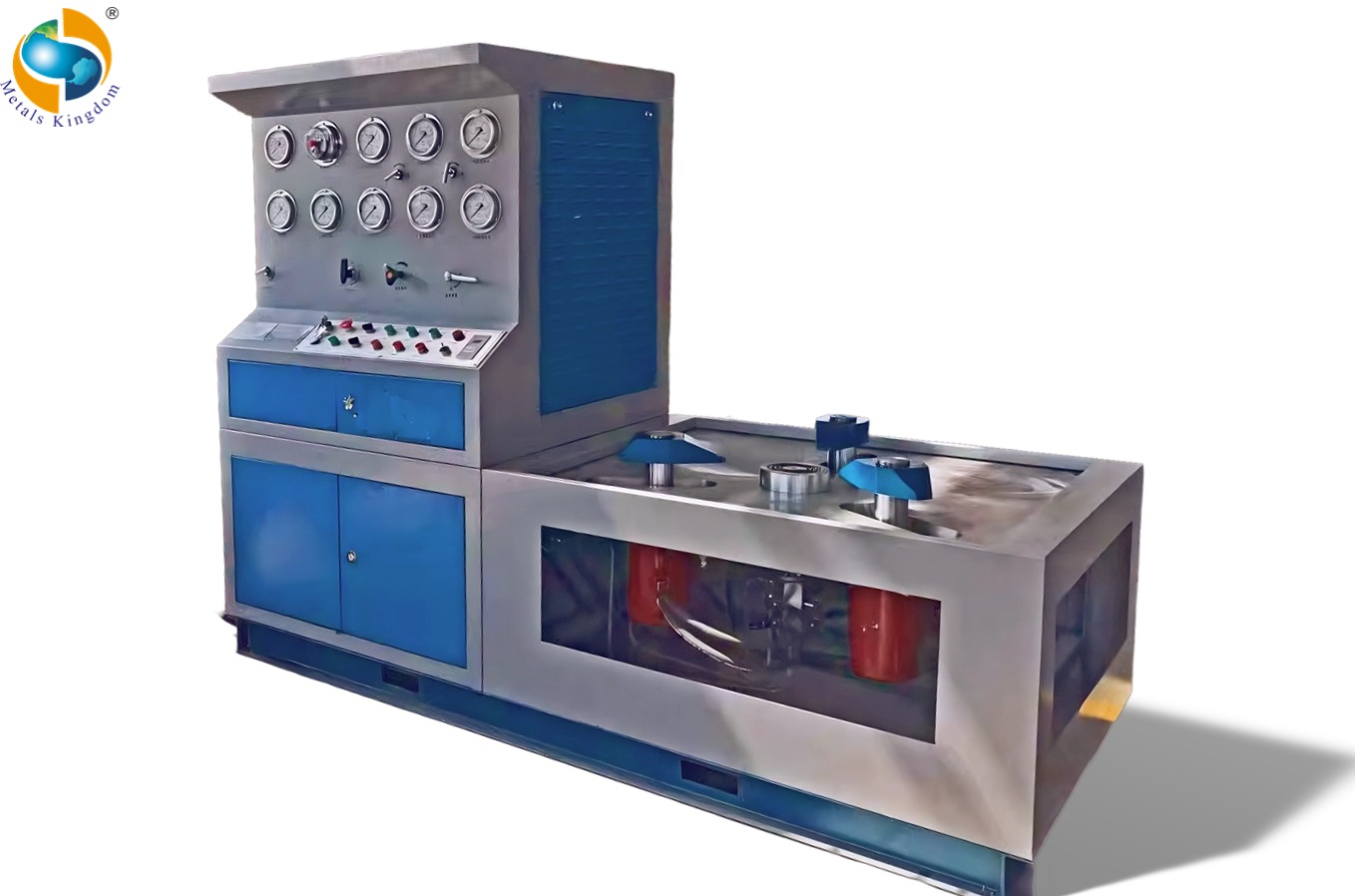
Valve pressure testing is a critical procedure used to ensure the integrity and functionality of valves in various applications. This testing can be performed using advanced technologies like the Valve Pressure Test Bench or through traditional manual testing methods. Choosing the right method is crucial for achieving accurate and reliable results.
| Parameter | Valve Pressure Test Bench | Manual Testing |
|---|---|---|
| Testing Accuracy | High | Variable |
| Time Efficiency | Fast | Slow |
| User Skill Requirement | Low | High |
| Cost | Higher | Lower |
The Valve Pressure Test Bench offers exceptional stability and longer battery life, translating to more reliable and consistent results over time. In contrast, manual testing can be influenced by environmental factors and human error, leading to potential inaccuracies. Users have reported that the automated system reduces fatigue and accelerates testing, enhancing overall productivity.
The Valve Pressure Test Bench is ideal for manufacturing plants, laboratories, and large-scale operations where precision and efficiency are critical. In contrast, smaller workshops or DIY enthusiasts may find manual testing sufficient for their needs, especially when working with simple valve types. However, to ensure durability and performance, industries focusing on quality should consider the technologies offered by MetalsKingdom, ensuring reliable valve testing.
In conclusion, both the Valve Pressure Test Bench and manual testing methods hold unique advantages and drawbacks. The choice depends heavily on the specific needs of the users and the context in which they operate. When focusing on high performance and reliability, investing in advanced solutions like the Valve Pressure Test Bench can be beneficial. For more information and products, you can refer to MetalsKingdom at this link.
Copyright © Metals Kingdom Industry Limited All Rights Reserved