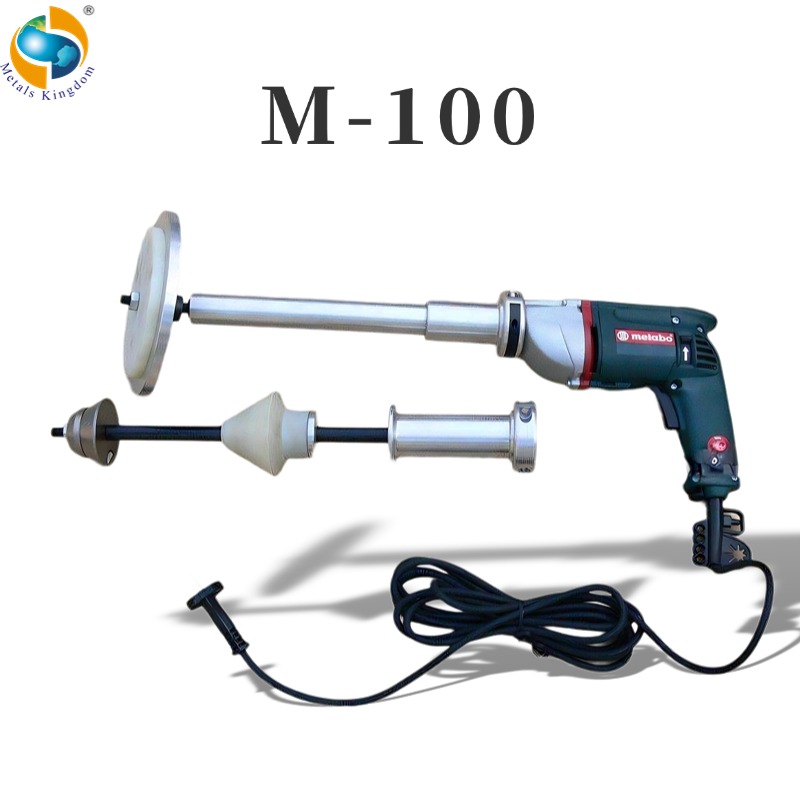
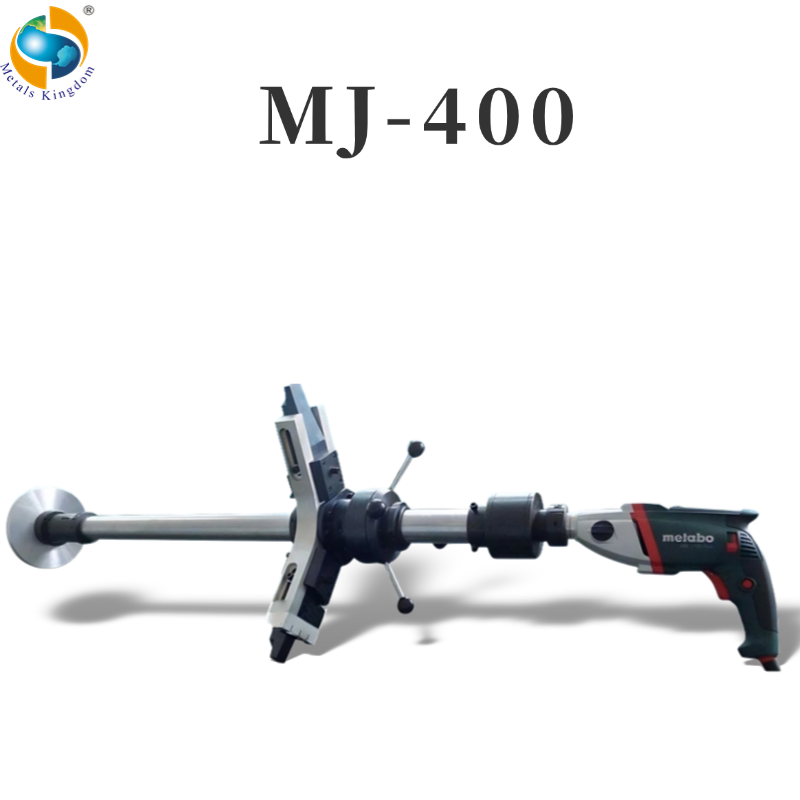
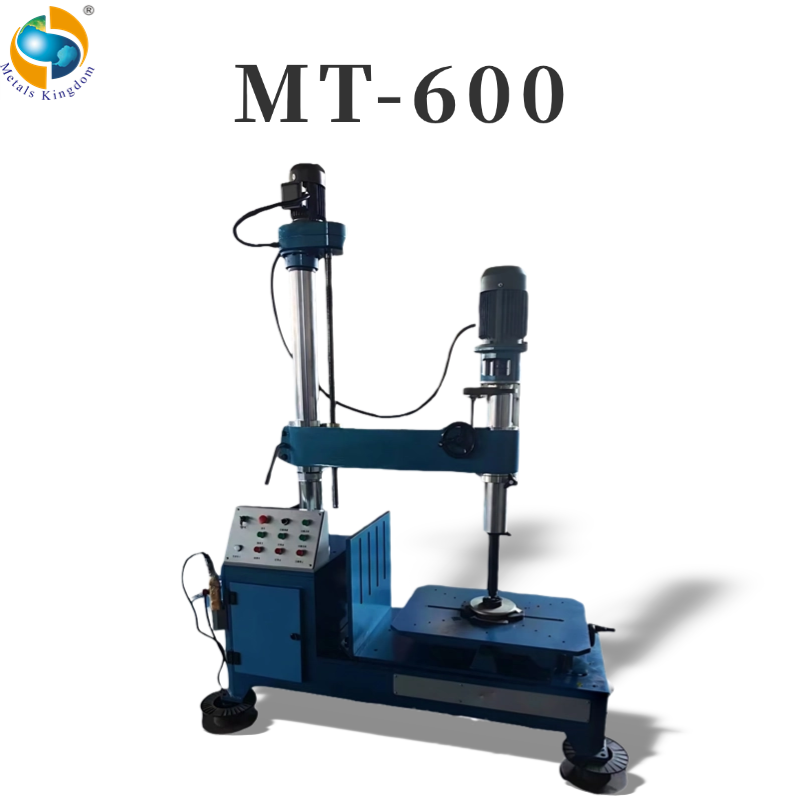
In power plants, refineries and chemical plants, some valves are simply too large — or too deeply integrated into the piping — to remove and send to a workshop. Taking a main steam valve offline for days of disassembly and transport is often not an option during a maintenance window. That is where in-situ repair with a portable valve grinding machine comes in: the machine mounts directly on the installed valve and refinishes the sealing surface where it sits.
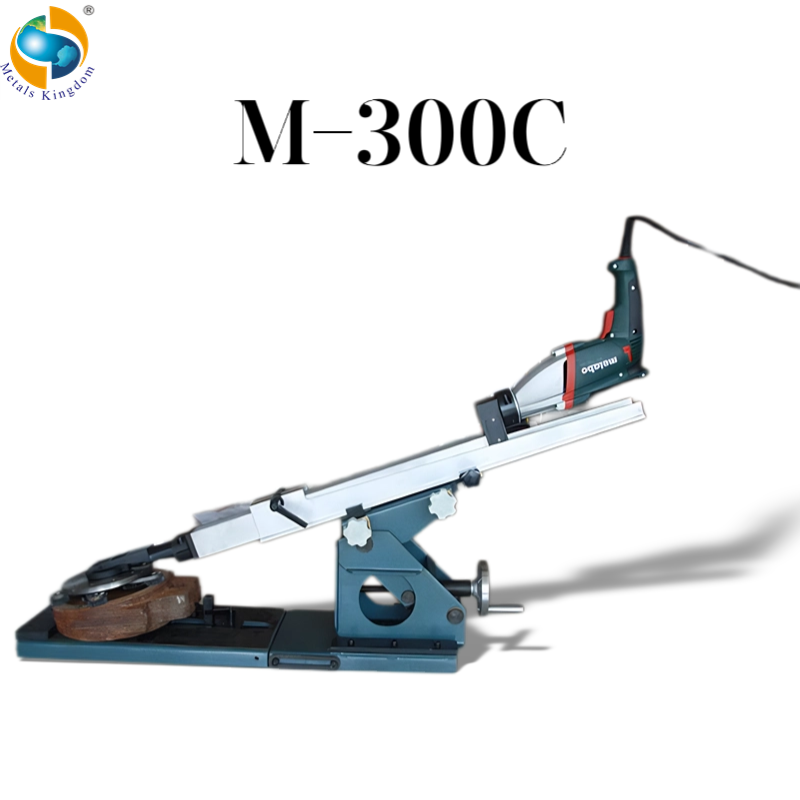
Portable grinders cover a wide range. For medium gate valves, the M-300C (Φ118–430 mm, DN100–400, 78 kg) is a common choice; for larger valves, the M-600 covers Φ225–630 mm (DN200–600) at 80 kg, and the MZ-900 / MZ-1200 extend coverage up to Φ960 mm and Φ1,330 mm respectively for DN400–900 and DN600–1200 valves. The machine is selected by sealing-face diameter and access depth, exactly as described in our selection guide — portability does not mean one size fits all.
In-situ grinding works when three conditions hold. Checking them before mobilizing avoids a wasted trip and a machine that cannot do the job.
Confirm the diameter of the sealing face and the depth from the mounting face before the machine leaves the workshop. The grinding range must cover the real sealing-face diameter — two valves with the same nominal diameter can have different sealing faces.
The valve surroundings must allow the machine to be mounted and operated safely, with power and lifting access. Most portable models run on AC 220 V; check the power supply and working clearance around the valve before committing.
Scoring, pitting and uneven wear within the grinding allowance can be refinished. Cracks or severe erosion may need weld repair first — grinding alone cannot fix them.
Select by sealing-face diameter and access depth. The table below shows the portable range covered in this article.
| Model | Grinding range | Valve size | Weight |
|---|---|---|---|
| M-300C | Φ118–430 mm | DN100–400 | 78 kg |
| M-600 | Φ225–630 mm | DN200–600 | 80 kg |
| MZ-900 | Φ400–960 mm | DN400–900 | 270 kg |
| MZ-1200 | Φ600–1,330 mm | DN600–1200 | 350 kg |
No. The sealing surface must be reachable and measurable, the machine must mount safely on site, and the damage must be within the grinding allowance. Valves with cracks or severe erosion need other repair methods first.
Measure the sealing-face diameter and the depth from the mounting face, then match the grinding range. The M-300C covers Φ118–430 mm, the M-600 Φ225–630 mm, the MZ-900 Φ400–960 mm and the MZ-1200 Φ600–1,330 mm.
No — that is the point. The portable machine mounts directly on the installed valve and refinishes the sealing surface where it sits, so the valve stays in the line during the maintenance window.
Done right, in-situ grinding restores the sealing surface without cutting the valve out of the line — which is why maintenance teams keep portable grinders in their regular toolkit rather than treating them as emergency-only equipment.
Copyright © Metals Kingdom Industry Limited All Rights Reserved