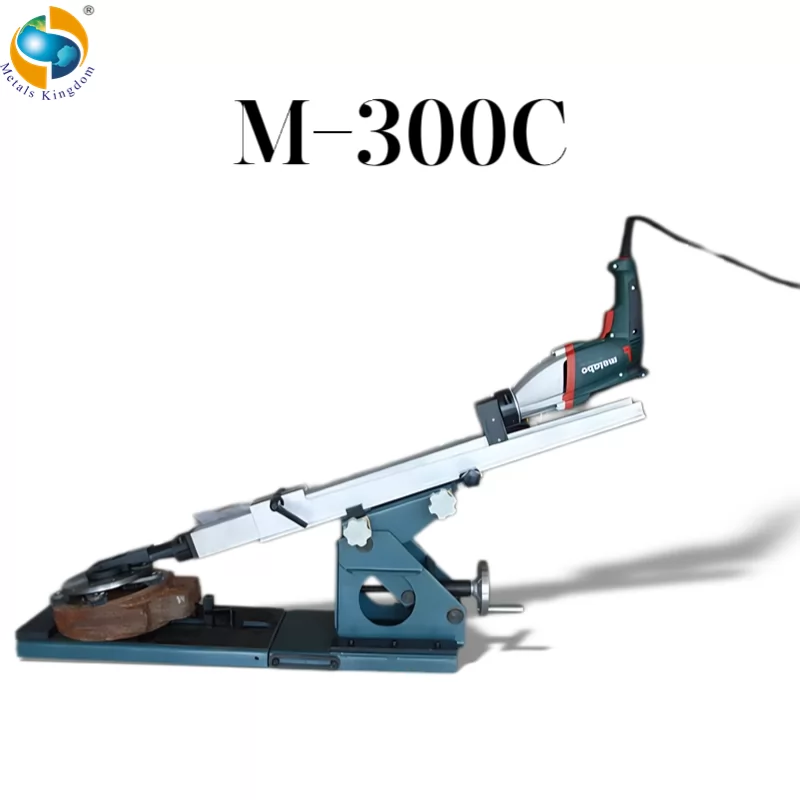
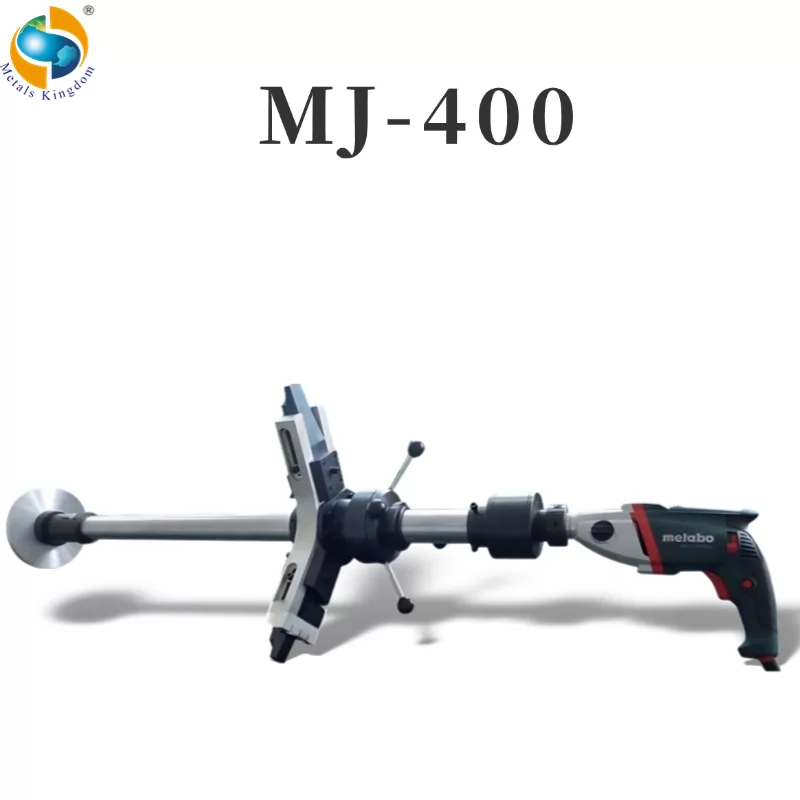
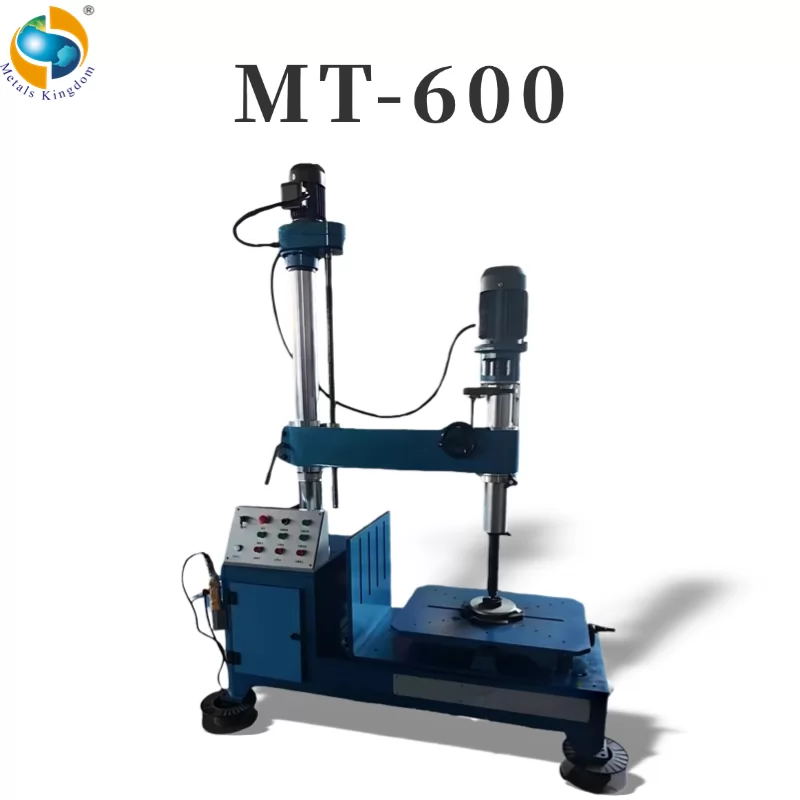
In marine engine and heavy‑industry maintenance, valve grinding is a decisive step that determines sealing performance, engine reliability, and downtime recovery speed. The modern approach to “Marine Engine Valve Grinder Essentials” is therefore less about a single tool and more about an integrated, portable workflow that combines accurate grinding, easy field deployment, and versatile compatibility with different valve types. The product family shown on valvegrindingmachine.com highlights this trend by offering portable valve grinding and lapping machines, stationary grinders, and complementary valve test benches designed for in‑field and shop applications.
A core priority for valve maintenance is restoring a true sealing surface: imperfect contact or damaged seating faces lead to leakage, reduced efficiency, and potential engine failure under heavy load. The valvegrindingmachine.com product descriptions emphasize modular designs—motorized main units, adjustable supports, interchangeable probe arms and grinding discs—so technicians can adapt a single grinder to multiple valve geometries and seat angles. This modularity supports field repairs on marine engines where space, access, and time constraints make full disassembly impractical.
Portability is featured prominently. The portable valve grinders showcased are lightweight and compact with split‑assembly structures that allow quick on‑site setup and removal. This configuration reduces the need to transport valves or heads back to a workshop, saving time and avoiding the logistical complexity of large marine engine components. Portable units typically include tapered grinding heads suited for conical seats, and they provide stable rotary motion and stepless speed control to achieve consistent contact and finish across different seat profiles.
Precision and control are another design focus. The equipment emphasizes smooth transmission, variable speed adjustment, and stable grinding planes—features that help ensure even material removal and accurate restoration of seat geometry. Interchangeable probe arms and tool heads allow operators to match the tool to the valve’s sealing angle and diameter, improving the chance of first‑pass success and reducing repeated interventions. For marine operators facing high‑temperature, high‑pressure service conditions, reestablishing a full contact seal is essential to maintaining system integrity over long voyages or continuous industrial operation.
Practical operation guidance presented on the site underlines safe, effective usage. Technicians are advised to inspect valve faces before grinding, removing raised debris or burrs that would otherwise accelerate abrasive wear or compromise grinding angles. In cases where seats are heavily corroded or obstructed, preliminary cleaning or light machining is recommended to avoid overloading the grinding disc. The site also notes that in wet or sticky residue conditions, using an appropriate liquid medium (such as coolant or light solvent) can assist chip removal and prevent glazing of the abrasive surface—improving both finish and tool life.
Versatility across valve types is another advantage marketed by the supplier. The machines are presented as suitable for gate valves, globe (stop) valves, flanged seats and other common valve forms found on ships and in industrial plants. That universality positions these grinders as general maintenance tools rather than task‑limited devices, helping maintenance shops and marine engineering teams reduce the variety of specialized equipment they need to store and transport.
Complementary equipment such as valve pressure test benches is shown alongside grinders on the site, reflecting a workflow mindset: grind, verify, and re‑test. A valve test bench enables verification of seat integrity and sealing pressure after reconditioning, ensuring repairs meet operational standards before returning valves to service. This integrated approach—repair plus functional validation—reduces the chance of post‑repair leakage and supports safer, more reliable engine and system performance.
From a procurement perspective, this product grouping appeals to organizations that value on‑site fixability, broad application range and lower logistical overhead. Marine service providers, power generation plants, petrochemical facilities and shipyards commonly require robust, portable valve maintenance solutions that handle a range of materials and seat geometries. By marketing portable and stationary grinders together with test benches and pipe cutting/beveling machines, the supplier underlines a single‑source strategy for the full valve maintenance lifecycle.
In summary, the essentials for marine engine valve grinding today are portability, modularity and a workflow that pairs accurate grinding with functional testing. Machines designed for on‑site adaptability and stable, controllable grinding performance let technicians restore sealing surfaces quickly and reliably, minimizing downtime and helping keep engines and critical systems running under the tough conditions typical of maritime and industrial service.
Copyright © Metals Kingdom Industry Limited All Rights Reserved