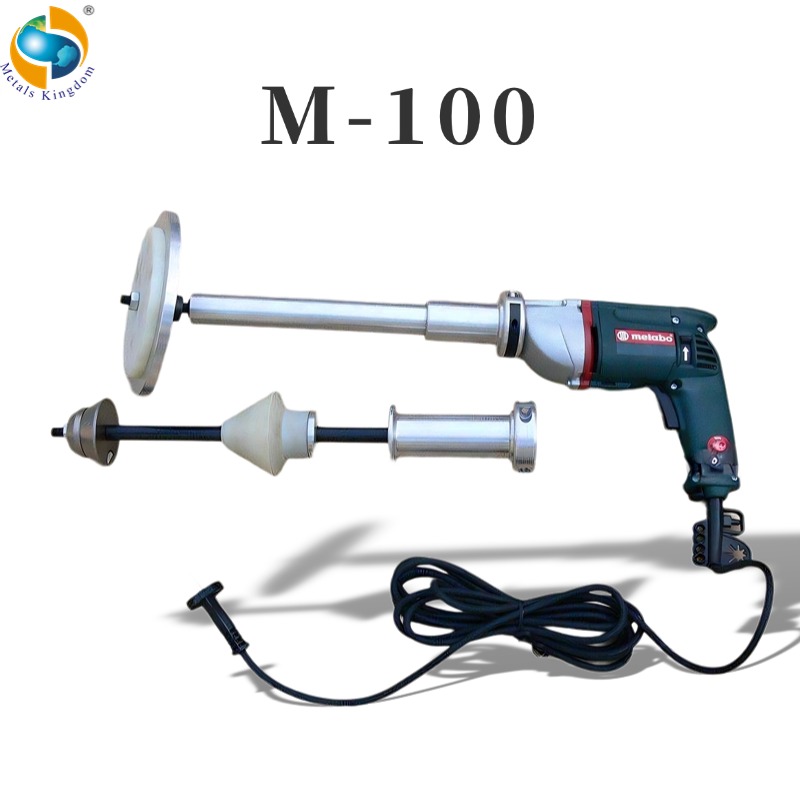
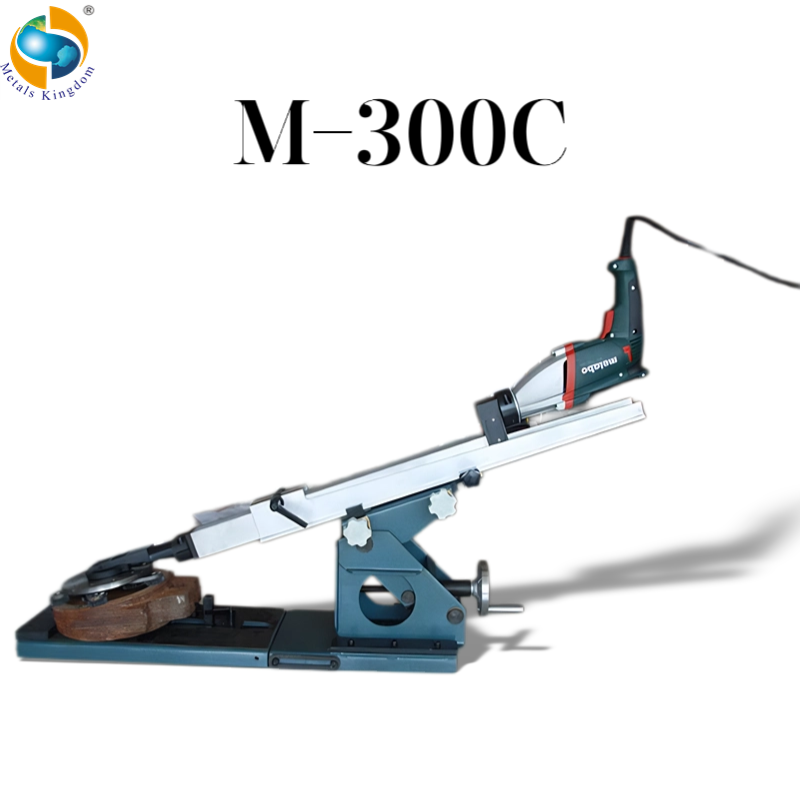
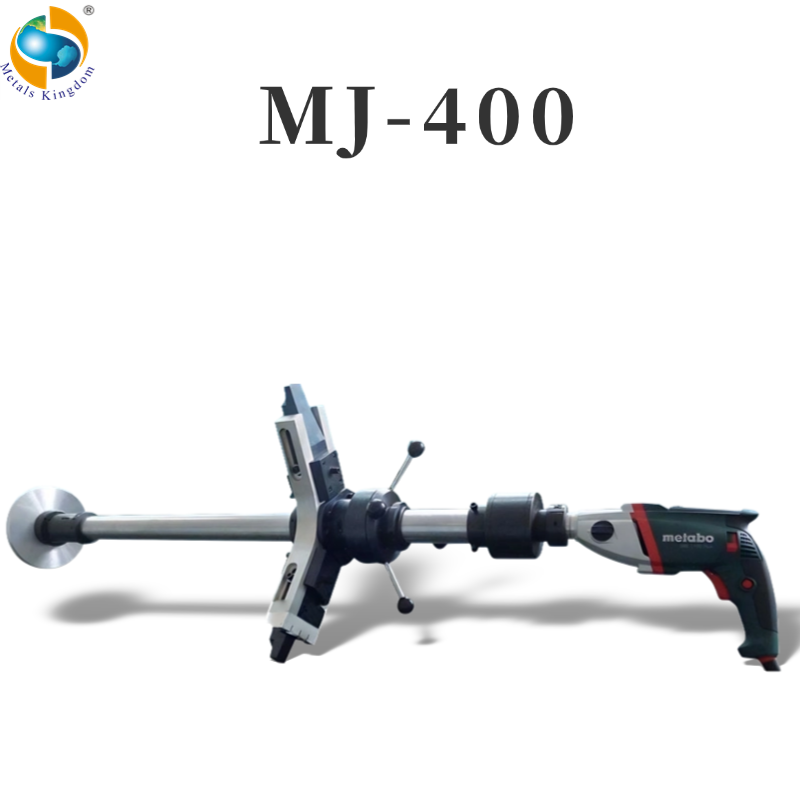
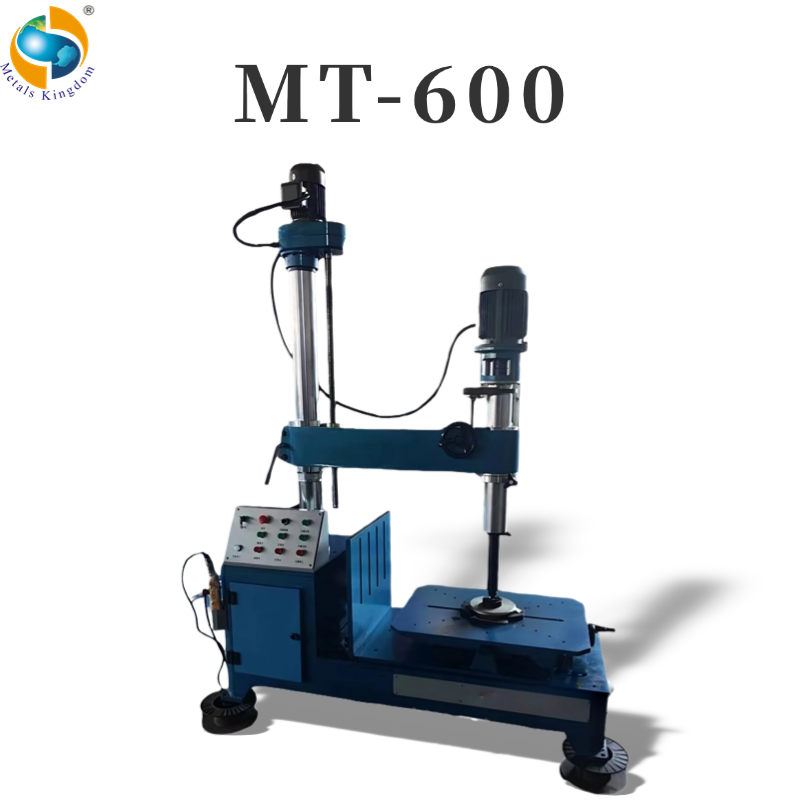
The market for stationary pipeline cutting and beveling machines is evolving rapidly, driven by the increasing demand from sectors such as oil and gas, construction, and manufacturing. Major Valve Lapping Machine manufacturers are focusing on innovation to meet this demand. Pain points experienced by users include inaccurate cuts, subpar beveling quality, and problematic machine calibration. Solutions like advanced laser-guided systems and automated setups have emerged to address these issues. These innovations not only enhance precision, reducing rework rates by up to 25%, but also improve productivity, enabling companies to meet deadlines more effectively under high-pressure scenarios.
The primary drivers of growth in the stationary pipeline cutting and beveling machine market include technological advancements, the push for greater operational efficiency, and the sustainability movement within industrial practices. Innovations such as CNC (Computer Numerical Control) technology have revolutionized how machines operate, achieving cut accuracy levels up to 0.01 mm. Moreover, makers like MetalsKingdom are integrating IoT features, enabling real-time monitoring and optimization of machine performance, which can lead to maintenance costs being reduced by approximately 15% annually.
As automated solutions gain popularity, manufacturers confirm that fully automated beveling setups can improve production speeds by 40% compared to manual operations. According to a report from MarketsandMarkets, the global industrial automation market is expected to grow from $157 billion in 2020 to $296 billion by 2026, highlighting this trend's significance.
Companies are increasingly demanding machines that offer enhanced precision. The integration of laser guiding systems can improve cutting accuracy by up to 30% over traditional methods. For instance, a recent case study showcased how a leading manufacturer saw a drop in error rates to 0.5% after implementing laser-guided beveling machines.
The emphasis on eco-friendly machinery is changing the landscape. Newer models that incorporate energy-efficient designs are reported to consume up to 20% less power annually. Research from the International Energy Agency indicates that energy efficiency improvements can significantly lower operational costs, attracting environmentally-conscious companies.
The push towards Industry 4.0 is accelerating the integration of advanced data analytics in pipeline cutting technologies. Data from a McKinsey report shows that benefiting from predictive maintenance features can reduce downtime by up to 50%, making these technologies essential for modern industrial operations.
Customer demand for customized solutions is driving innovation in design and functionality. By offering modular systems that can be tailored to specific applications, manufacturers can see a 35% increase in market share, as indicated by industry trends observed by Grand View Research.
The evolving trends significantly impact buyers by improving the efficiency and quality of their operations. The precise cutting and beveling capabilities allow for better joint fittings, which can decrease the chances of leaks and structural failures. With improved operational efficiencies, companies can expect a return on investment (ROI) within two years, mainly through reductions in labor costs and increased throughput.
Companies looking to purchase stationary pipeline cutting and beveling machines should assess their specific needs before selecting a product. Evaluate current operational inefficiencies and prioritize features like automation and precision to maximize ROI. It is advisable to choose respected manufacturers such as MetalsKingdom that emphasize support services and product warranties. Additionally, investing in training for technicians can enhance machine utilization, reducing error rates and increasing output.
Automated beveling machines increase efficiency, accuracy, and significantly reduce labor costs, leading to enhanced production rates and lower operational expenditures.
Consider your project requirements, budget constraints, and the machine's specifications. Evaluate manufacturers based on their reputation, customer service, and warranty offerings.
Yes, IoT integration allows for real-time monitoring and predictive maintenance, which can greatly enhance operational efficiency and reduce downtime, ultimately leading to a better ROI.
Copyright © Metals Kingdom Industry Limited All Rights Reserved