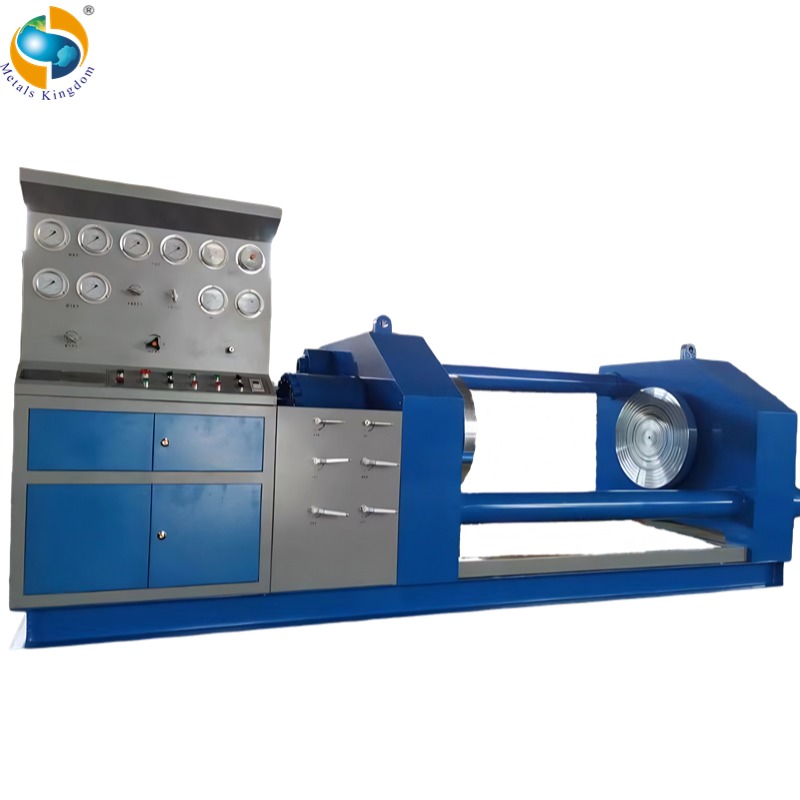
When it comes to ensuring the integrity and safety of valves in various applications, understanding how a valve pressure test bench operates can make all the difference. In this article, I’ll guide you through a clear, actionable process that demystifies valve pressure testing, ensuring you can effectively address your quality assurance needs with efficiency and precision.
To begin with, conducting a valve pressure test using a test bench involves several crucial steps. Let's outline this process:
Preparation of the Valve: Start by selecting the valve you wish to test. Make sure it’s clean and free of any debris or damage. This clean state ensures accurate readings during the testing process.
Set Up the Pressure Test Bench:
Calibration of Equipment: Calibrate your pressure testing equipment to ensure precision—most testing standards, such as ASTM F1074, require a minimum precision to 0.01mm.
Conduct the Pressure Test:
Observation and Data Recording:
Post-Test Procedures: After testing, safely relieve the pressure before disconnecting the valve. At this point, take note of any irregularities throughout the test to aid in maintenance.
By employing a valve pressure test bench, businesses can achieve remarkable improvements in quality control. For instance, consistent testing leads to a 100% inspection rate before valves are shipped out, significantly reducing the chances of failures in the field. This proactive approach not only enhances safety protocols but ultimately saves costs associated with returns and damages.
While the testing process is fairly straightforward, several challenges can arise:
Equipment Calibration Issues: If your gauge is not properly calibrated, this could lead to inaccurate results. Regularly scheduled maintenance and calibration checks are critical—consider using a professional service for calibration twice a year.
Valve Damage During Testing: It’s essential to ensure valves are appropriately supported during testing. I advise using the correct fixtures that minimize movement and impact.
Utilizing the right tools can significantly enhance execution efficiency:
Quality Assurance Software: Programs that help collate and analyze testing data can streamline your reporting process.
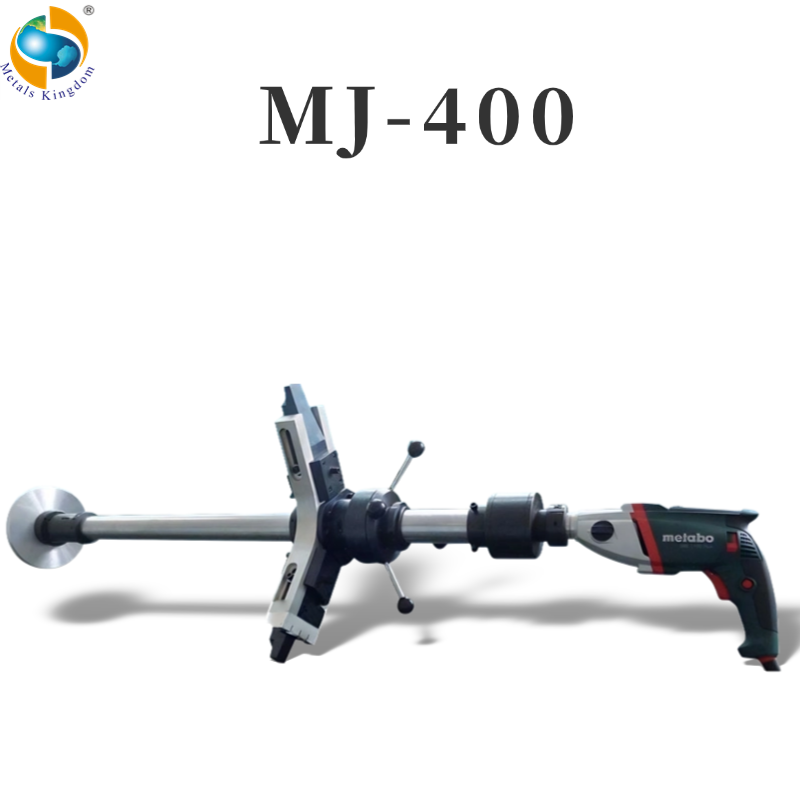
Reliable Valve Lapping Machine: Partnering with a reputable valve lapping machine manufacturer like MetalsKing can ensure valves are perfectly ground before testing, improving accuracy.
In conclusion, understanding how a valve pressure test bench works is instrumental in ensuring the quality of valves critical to various industries. Whether you are aiming for compliance with stringent standards or striving for operational efficiency, the processes outlined here can guide you effectively. Remember, working with a noted valve lapping machine manufacturer ensures you have the best tools available.
Take this step towards enhanced safety and reliability—start implementing these practices today! For further insights and resources, visit our page for valve testing solutions.
Copyright © Metals Kingdom Industry Limited All Rights Reserved