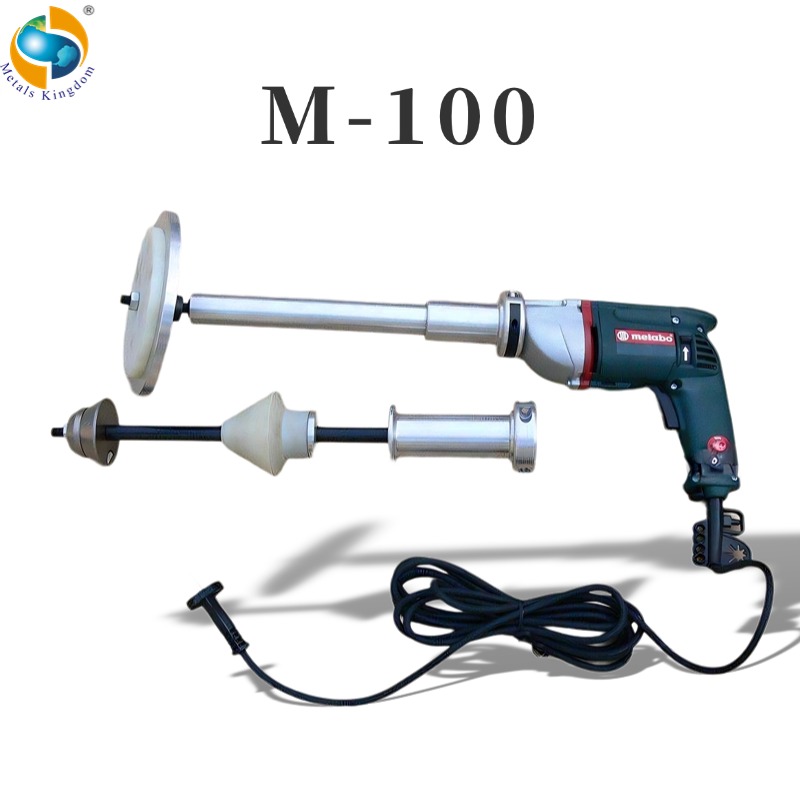
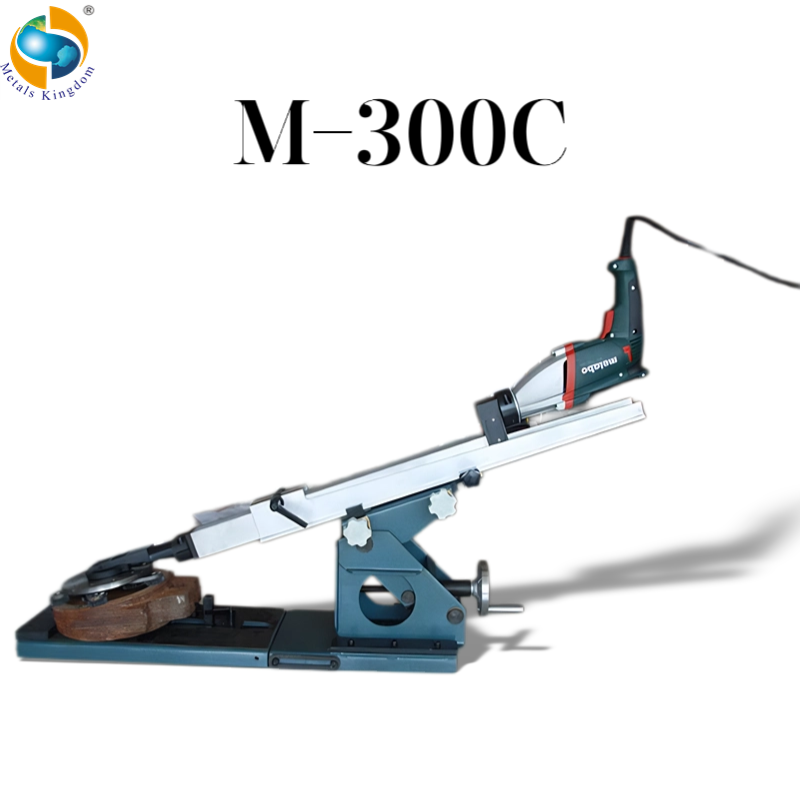
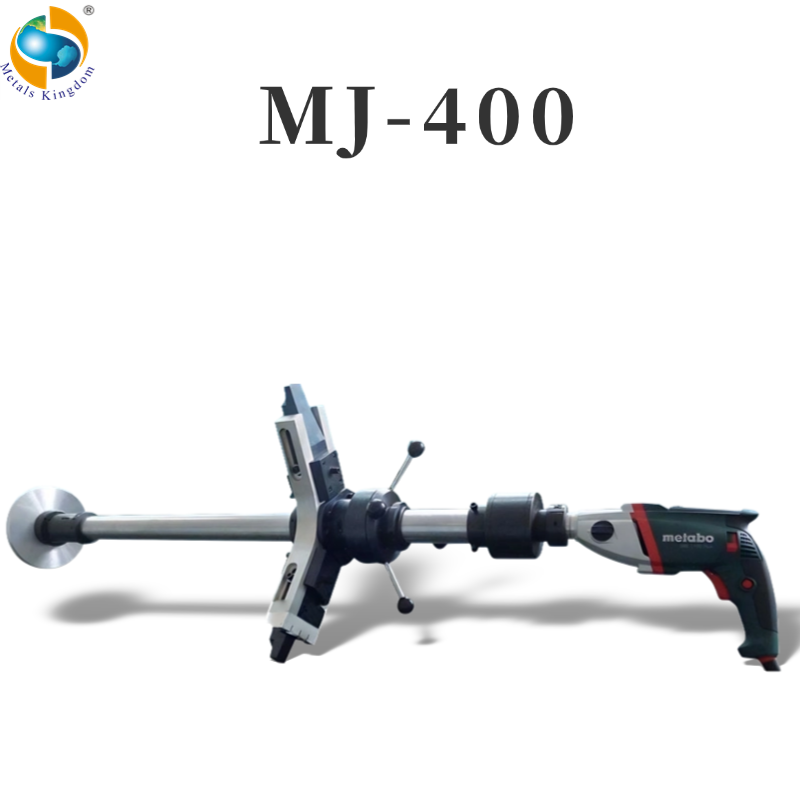
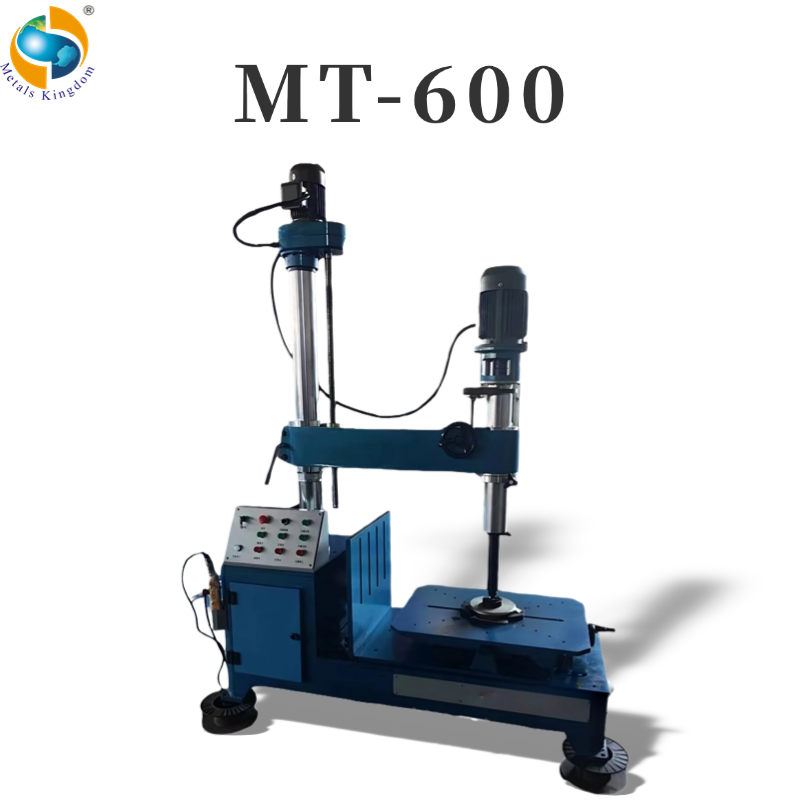
The stationary pipeline cutting beveling machine is essential in various industries, addressing challenges such as precision cutting and beveling of pipes. Often, users encounter issues like inaccuracies and inefficiencies, which can lead to increased operational costs and wasted materials. By implementing optimized techniques, users can significantly improve their workflow and achieve enhanced productivity. As a leading Valve Lapping Machine manufacturer, MetalsKingdom provides these valuable tips designed to tackle common user problems effectively. Let's explore how to optimize your machine operations for better outcomes.
Why: Regular maintenance ensures accuracy and prolongs the machine's lifespan.
To maintain optimal performance, schedule monthly maintenance checks that include lubrication, inspection of cutting blades, and calibration of the machine settings. A well-calibrated machine can reduce errors by up to 23%, enhancing the precision of cuts and bevels. This process is suitable for users who operate in high-volume environments where precision is critical, such as oil and gas industries.
Why: Choosing the correct cutting speed prevents overheating and wear on the machine.
Incorporate speed settings tailored to the material being cut. For example, cutting steel pipes should be done at a spindle speed of 200 RPM, while aluminum may require up to 400 RPM. Matching the speed to material characteristics minimizes tool wear by 15%, ensuring consistent results without damage. This approach is particularly beneficial for users handling multiple materials in a single project.
Why: Advanced techniques yield higher quality bevels and reduce the need for post-processing.
Utilize technologies such as plasma or laser beveling when applicable. These methods can improve bevel quality by as much as 30% over traditional machining techniques, reducing the risk of leaks and failures in piping systems. Ideal for projects requiring high integrity joints, this technique appeals to manufacturers of pressure vessels or critical piping systems.
Why: High-quality tools ensure more efficient and effective cutting and beveling.
Invest in premium quality cutting and beveling tools that meet industry standards. For instance, carbide-tipped blades can last up to 40% longer than traditional steel blades, resulting in lower operational costs over time. This is crucial for companies that depend on repetitive, high-volume cutting processes.
Why: Well-trained operators can dramatically increase safety and efficiency.
Implement regular training programs that cover machine operation, safety protocols, and best practices in cutting and beveling. Companies that invest in training can see production efficiency rise by 20%, as operators become more confident and capable. This training is valuable for all businesses, especially those handling new personnel or advanced machinery.
In summary, optimizing the use of a stationary pipeline cutting beveling machine involves a combination of regular maintenance, appropriate speed selection, advanced beveling techniques, investing in quality tools, and operator training. By implementing these strategies, users can enhance their operational efficiency and reduce costs significantly. MetalsKingdom not only offers cutting-edge machines but also ensures users are equipped with the knowledge to maximize productivity.
Regular maintenance and calibration are crucial for maintaining cutting accuracy. Additionally, using proper cutting speeds per material can help reduce inaccuracies.
Laser beveling can enhance bevel quality and consistency while minimizing the need for subsequent machining processes, resulting in better joint integrity.
It is advisable to conduct training sessions at least every six months or when new technology or techniques are introduced to ensure consistent efficiency.
Copyright © Metals Kingdom Industry Limited All Rights Reserved