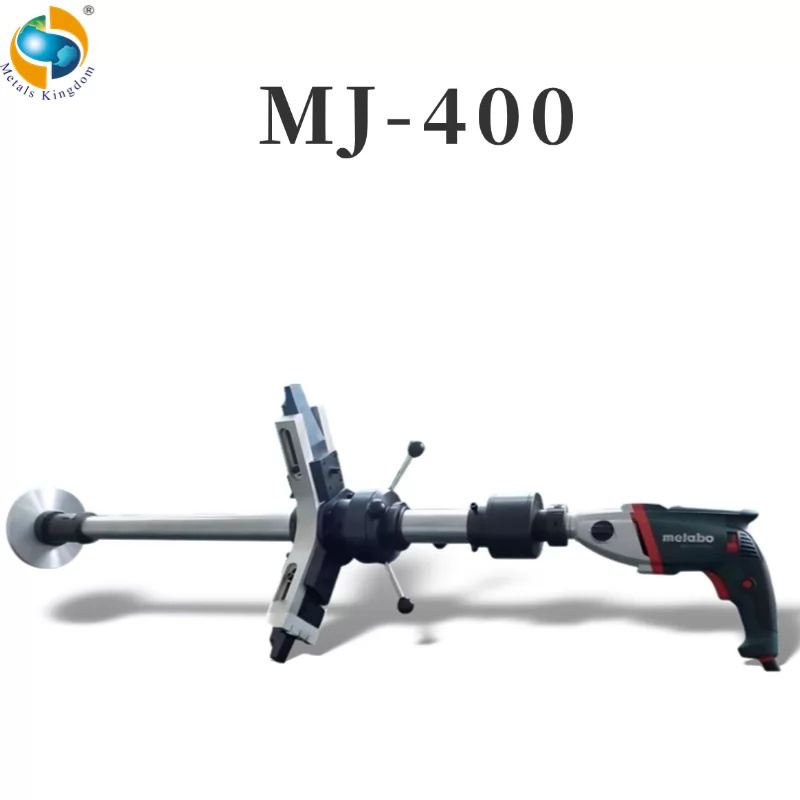
When operating a valve pressure test bench, many users struggle with achieving accurate results, efficiency, and safety. As leading Valve Lapping Machine manufacturers, it's essential to address these concerns while ensuring optimum performance during testing. Companies often face challenges such as inadequate sealing, incorrect pressure application, and inefficient workflow that can result in failed tests and wasted resources. By implementing effective strategies, you can significantly enhance the operation of your valve pressure test bench, ensuring precision and reliability in your testing processes.
Why: Regular calibration ensures accurate measurements and reliable test results, reducing discrepancies.
Use a certified calibration tool or service to check your pressure gauges and flow meters at least once a month. Follow the manufacturer's guidelines for calibration frequency and procedures. This is especially crucial for users who regularly conduct tests under varying conditions, such as temperature changes or pressure fluctuations.
Why: Proper sealing is vital to prevent leaks, which can skew test results.
Before connecting valves to the test bench, inspect seals and gaskets for wear or damage. Use high-quality sealing materials rated for the pressure and temperature of your tests. This technique is ideal for users who deal with high-pressure systems or corrosive materials, ensuring safer and more reliable outcomes.
Why: A systematic approach enhances consistency and reduces human error.
Create a standard operating procedure (SOP) for conducting valve pressure tests. Include steps for setup, execution, and post-test analysis. This method benefits facilities that test multiple valve types, ensuring each test adheres to established protocols, leading to improved accuracy.
Why: Data logging helps in detailed analysis and improves test traceability.
Incorporate digital data logging systems that automatically record pressure readings at specified intervals. Analyze the data for trends to improve testing procedures over time. This approach is suitable for quality control teams and engineers focusing on troubleshooting and performance enhancement.
Why: Training ensures that all personnel are competent and aware of safety protocols.
Conduct regular training sessions to educate staff on the operation of valve lapping machines and pressure test benches. Use real-life scenarios to enhance understanding of common issues and their solutions. This practice is crucial for companies with high staff turnover or those implementing new technology.
Why: Learning from previous tests fosters better processes and results.
Regularly review test results and identify areas for improvement. Use performance metrics to establish benchmarks and set goals for future tests. This is ideal for organizations aiming for ISO certification or those looking to enhance their overall quality assurance strategies.
Efficient valve pressure test bench operation hinges on regular calibration, proper sealing, systematic procedures, advanced data logging, staff training, and continuous improvement. By integrating these strategies, you'll not only enhance the reliability of your tests but also foster a safer work environment. Tools and machines from trusted Valve Lapping Machine manufacturers, like MetalsKingdom, can further contribute to this enhanced operational capability.
1. How often should I calibrate my equipment? Regular calibration should be done at least once a month, or more frequently if you notice discrepancies in results.
2. What materials are best for sealing? Always use high-quality sealing materials that are rated appropriate for your testing environment, especially for high-pressure or corrosive applications.
3. How can I ensure safety during testing? Train staff on safety protocols, utilize proper PPE (Personal Protective Equipment), and regularly inspect all testing equipment for damage or wear.
4. What is the benefit of using a data logging system? Data logging systems enhance traceability and enable detailed analysis of test results, leading to improved accuracy and better decision-making.
Copyright © Metals Kingdom Industry Limited All Rights Reserved