Valve pressure test benches are vital tools in various industries, designed to assess the safety and performance of valves under pressure. They play a key role in quality assurance, helping manufacturers and distributors in sectors such as oil and gas, manufacturing, and plumbing. Understanding the applications of valve pressure test benches can significantly enhance operational reliability and customer safety. This article delves into the applications, benefits, and best practices associated with these test benches.
Valve pressure testing is essential for ensuring the operational integrity of valves. This process helps identify leaks and potential failures, thus safeguarding not only equipment but also personnel. 1.1 Quality Assurance: Regular testing ensures that only compliant products are distributed. 1.2 Safety Compliance: Adherence to safety regulations that prevent hazardous failures.
Valve pressure test benches are used in various sectors, each with distinct applications:
Features to consider when selecting a valve pressure test bench include:
The pressure testing process involves the following steps:
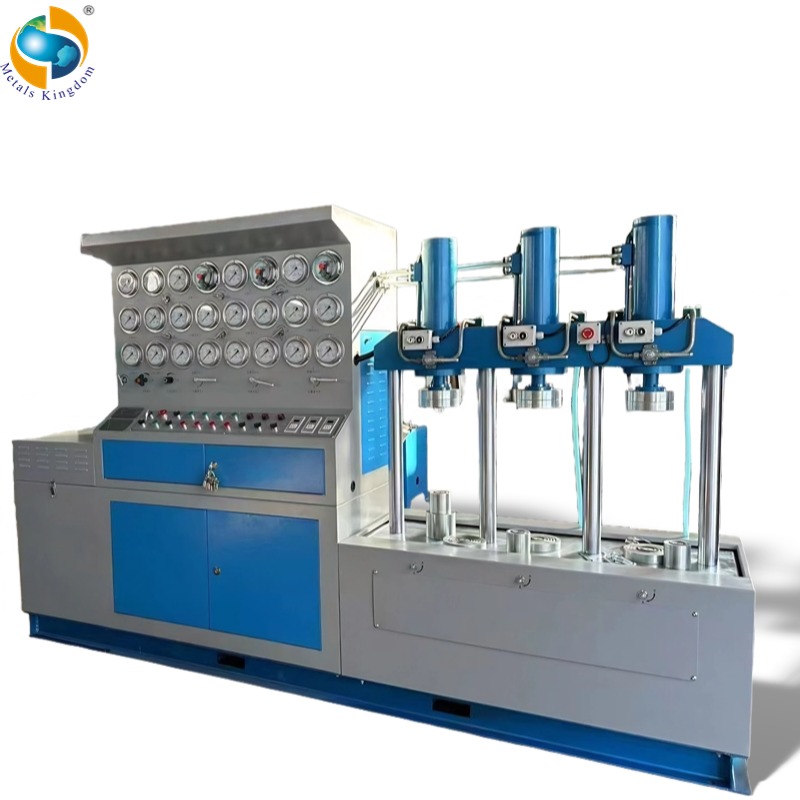
Various industries have leveraged valve pressure test benches effectively:
| Industry | Application | Results Achieved |
|---|---|---|
| Oil & Gas | Leak Detection | Reduced accident incidents by 30% |
| Manufacturing | Product Compliance | 80% increase in customer trust |
Selecting a valve pressure test bench requires consideration of specific needs:
Copyright © Metals Kingdom Industry Limited All Rights Reserved