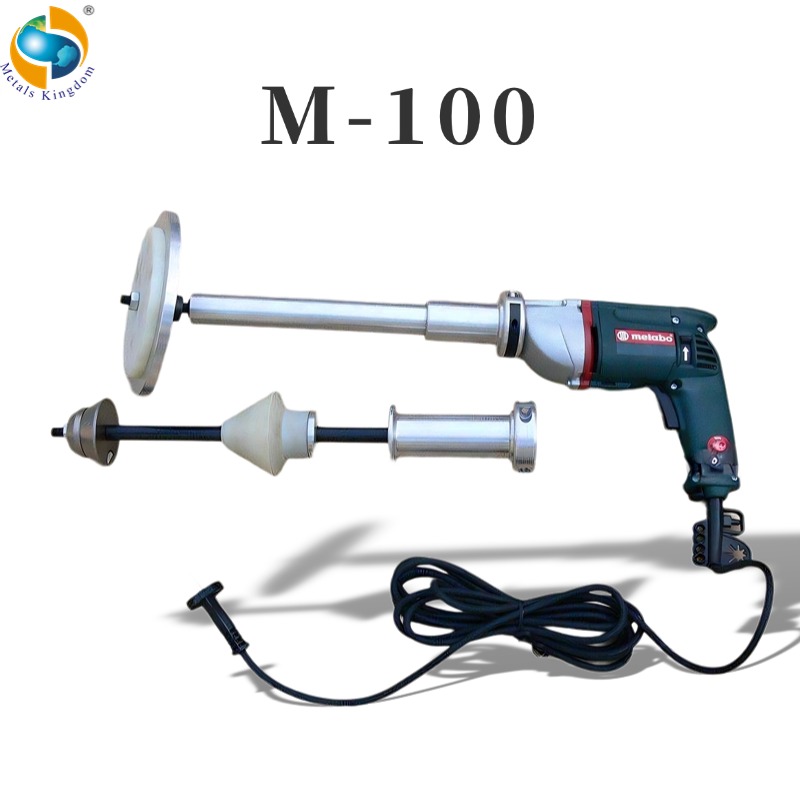
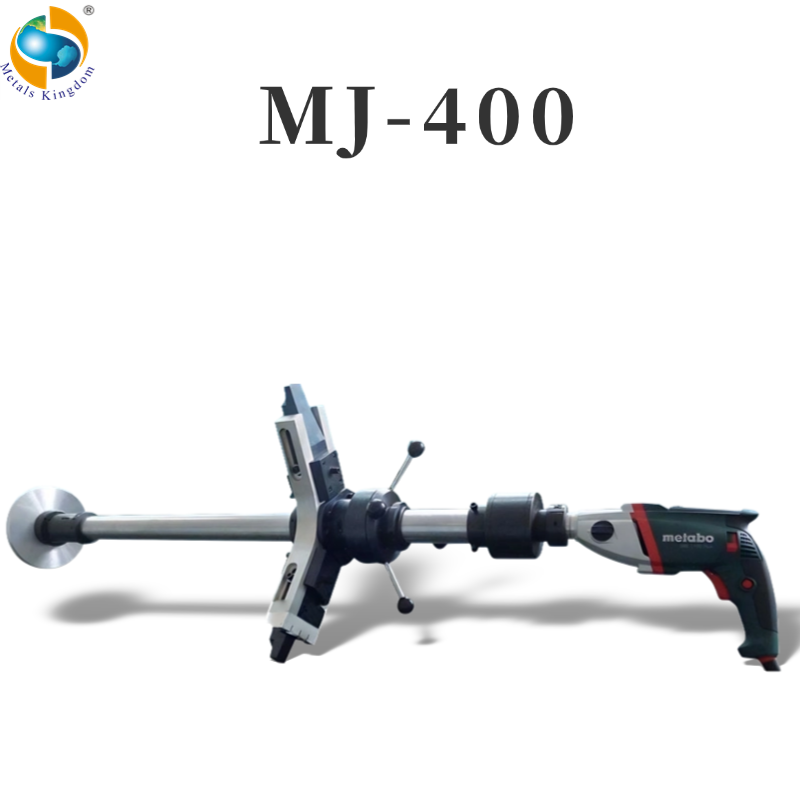
Valve grinding is an important repair process used to restore the sealing surfaces of industrial valves. During operation, valve seats, discs, wedges, and other sealing components may develop scratches, corrosion marks, minor pitting, deposits, or uneven contact areas. These defects can prevent the valve from closing correctly and may contribute to internal leakage.
The purpose of valve grinding is not simply to make a surface look smooth. The main objective is to restore suitable contact between the mating sealing surfaces while removing only the material necessary for repair.
The sealing performance of a valve depends on the condition and geometry of the surfaces that come into contact when the valve is closed. If these surfaces become worn or damaged, the contact area may become incomplete or uneven.
Grinding helps correct minor surface irregularities and produces a more uniform sealing surface. When performed correctly, it allows the valve seat and the mating component to contact each other more consistently.
Industrial valves operate under conditions that may involve pressure, temperature changes, flowing media, vibration, corrosion, and repeated opening and closing. Over time, these conditions can create minor defects on the sealing surfaces.
Valve grinding may be used to remove or reduce defects such as:
Light scratches and scoring
Minor corrosion marks
Small surface irregularities
Uneven contact marks
Deposits that affect sealing contact
The repair process should be controlled carefully. Excessive grinding can remove unnecessary material, alter the original geometry, or reduce the service life of the valve component.
A valve may have a visually smooth surface but still fail to provide uniform contact. Correct grinding and lapping help improve the contact pattern between the valve seat and the disc, wedge, or other sealing component.
Uniform contact is especially important because localized high points can carry excessive load, while low areas may create leakage paths. The objective is to achieve an even contact condition appropriate for the valve design and maintenance requirements.
Valve grinding is often one stage of a complete valve maintenance procedure. The process may include disassembly or on-site access, cleaning, inspection, defect evaluation, grinding, lapping, final cleaning, reassembly, and testing.
Grinding should therefore not be treated as an isolated operation. The condition of the valve body, stem, guide, sealing components, fasteners, and operating mechanism should also be considered during maintenance.
When damage is limited to repairable sealing surface defects, grinding may allow existing valve components to remain in service instead of being replaced immediately. This can help reduce unnecessary replacement work and support more efficient maintenance planning.
However, the decision to grind, machine, replace, or reject a component should be based on inspection and the applicable repair procedure. Grinding cannot correct every type of damage.
Portable valve grinding machines can be used for certain maintenance tasks at the installation site. Depending on the valve structure and available working space, on-site grinding may reduce the need to remove the entire valve from the pipeline.
Before selecting an on-site repair method, the operator should evaluate the valve type, access conditions, sealing surface location, defect condition, available mounting points, and safety requirements.
Valve grinding is generally intended for repairable surface defects. It should not be used to conceal serious structural damage.
Additional machining, component replacement, or further technical evaluation may be required when inspection identifies:
Cracks in the valve seat, disc, wedge, or body
Severe erosion or deep corrosion
Major deformation
Excessive material loss
Incorrect sealing angles or profiles
Damage beyond the allowable repair condition
After grinding, the sealing surfaces should be cleaned thoroughly to remove abrasive particles and debris. The repaired area should then be inspected for surface condition, contact pattern, geometry, and any remaining defects.
Where required by the maintenance procedure, the valve should also undergo an appropriate pressure or leakage test before being returned to service. Grinding improves the sealing surface, but final inspection and testing confirm whether the complete repair is acceptable.
The purpose of industrial valve grinding is to restore sealing surface contact, remove repairable defects, and support reliable valve maintenance. A successful result depends on correct inspection, machine setup, abrasive selection, operating technique, cleaning, and final verification.
Grinding should always be performed as part of a controlled repair process and should not replace the inspection of serious structural or dimensional damage.
Author: Peter Yang
Copyright © Metals Kingdom Industry Limited All Rights Reserved