As industrial facilities continue to pursue higher efficiency and lower maintenance costs, valve repair technology has become a key focus in sectors such as oil and gas, power generation, petrochemical, and manufacturing. Among the most widely used solutions are stationary valve grinding machines and portable valve grinding machines. While both are designed to restore valve sealing surfaces and extend service life, their applications, advantages, and limitations differ significantly. This article provides a clear comparison to help operators and procurement teams make informed decisions.
Valve grinding machines are used to recondition valve seats and sealing surfaces, ensuring tight shut-off and safe operation under pressure. Proper grinding improves valve performance, reduces leakage risks, and minimizes unplanned downtime. The choice between stationary and portable machines often depends on maintenance strategy, operational environment, and valve size range.
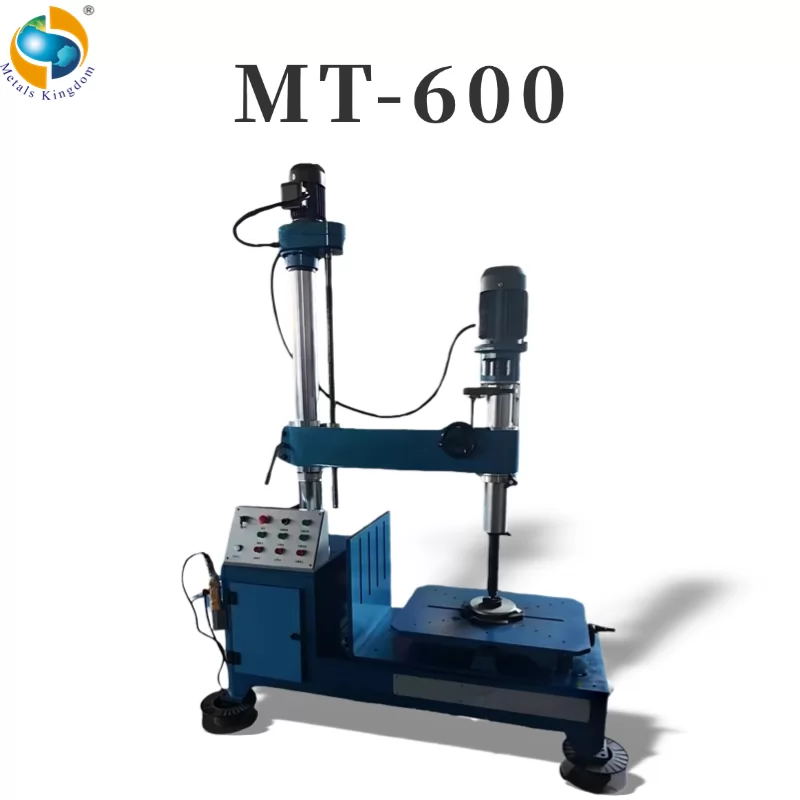
A stationary valve grinding machine is typically installed in a workshop or maintenance facility. Valves are removed from the pipeline or system and transported to the machine for reconditioning. These machines are known for their rigid structure, high stability, and precision control, making them ideal for repetitive tasks and high-accuracy valve refurbishment.
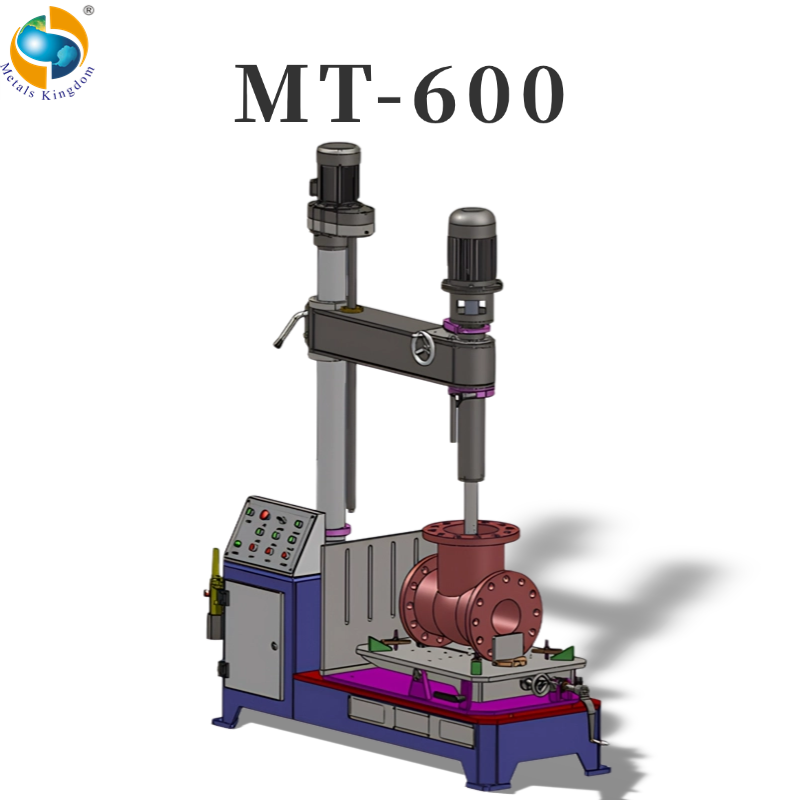
Stationary machines are commonly used by valve manufacturers, repair workshops, and centralized maintenance centers. They can handle a wide range of valve materials and sizes, often with advanced automation and fine surface finish capabilities.
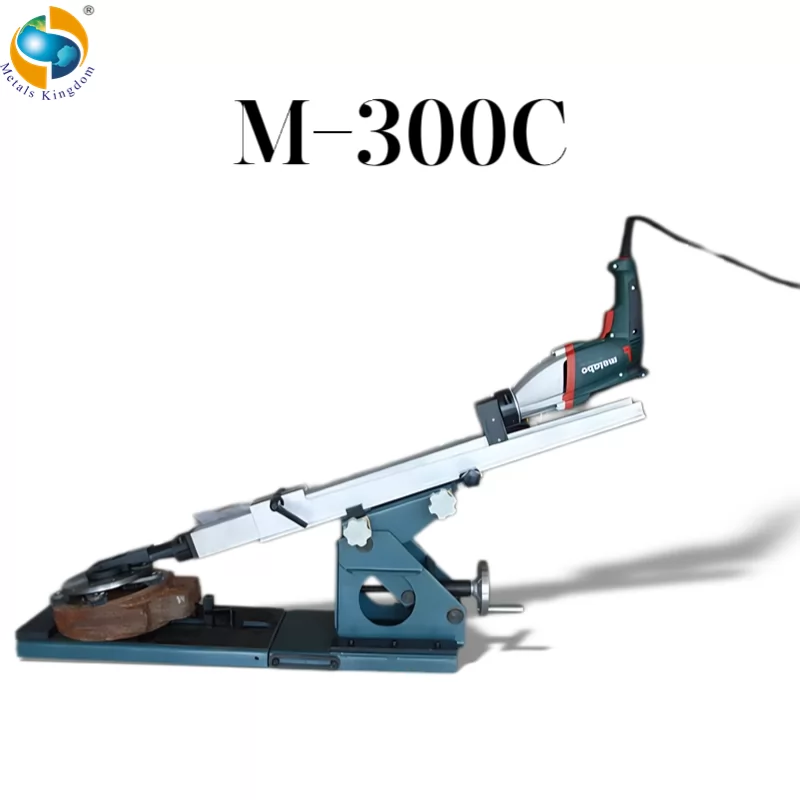
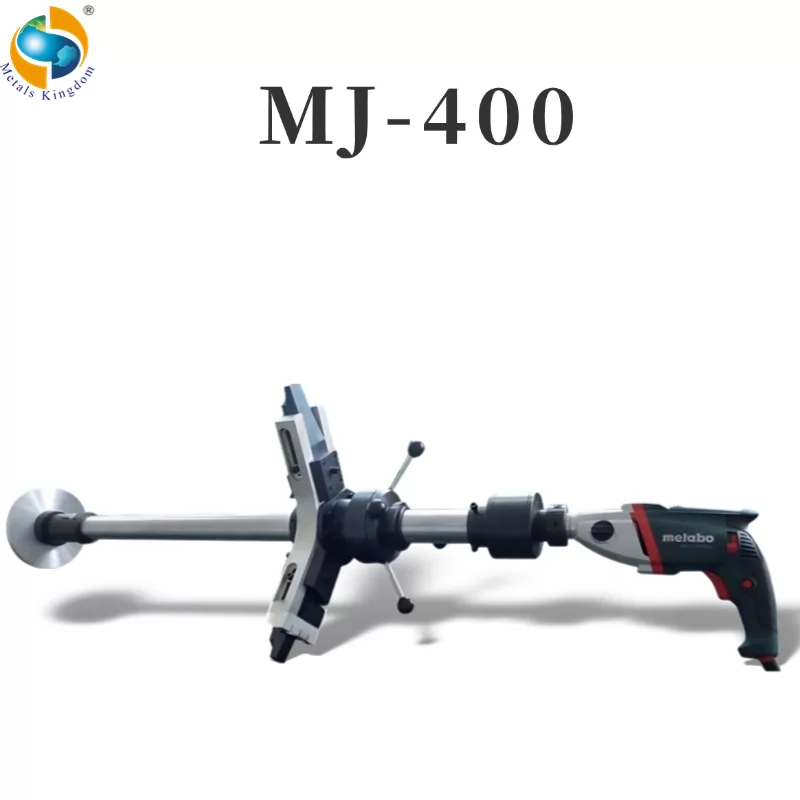
Portable valve grinding machines are designed for on-site or in-situ valve maintenance. Instead of removing the valve, technicians bring the machine directly to the valve location. This approach is particularly valuable in large industrial plants, offshore platforms, and remote oil and gas sites where valve removal is time-consuming and costly.
These machines prioritize mobility, quick setup, and adaptability to confined spaces. While compact in design, modern portable machines still deliver reliable grinding accuracy for most field maintenance tasks.
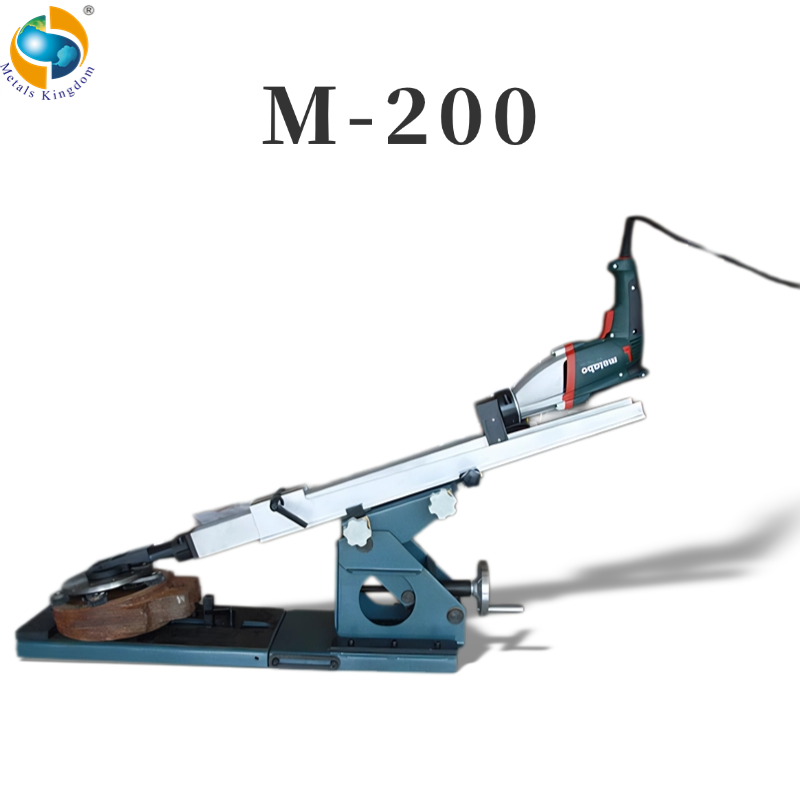
In terms of precision, stationary valve grinding machines generally offer superior accuracy and surface consistency. Their rigid frames and controlled environments allow for tighter tolerances and repeatable results. This makes them suitable for critical valve components requiring high surface finish standards.
Portable valve grinding machines, while slightly less precise in some cases, have improved significantly with modern alignment systems and tooling. For most maintenance and repair operations, they provide sufficient accuracy to meet industry standards and operational requirements.
One of the biggest advantages of portable valve grinding machines is reduced downtime. By eliminating the need to remove valves, operators can complete maintenance faster and return systems to service more quickly. This is especially important in oil and gas and power generation facilities, where downtime directly impacts production and revenue.
Stationary machines, on the other hand, may involve higher logistical costs due to valve disassembly, transport, and reinstallation. However, for facilities handling large volumes of valves or offering third-party repair services, centralized grinding can still be cost-effective over the long term.
Portable machines excel in flexibility, allowing maintenance teams to work across different units, plants, or sites with a single solution. They are ideal for emergency repairs, shutdowns, and turnaround maintenance.
Stationary machines are better suited for controlled environments where space, power supply, and skilled operators are readily available. They support batch processing and consistent quality, making them a preferred choice for workshops and manufacturers.
The decision between stationary and portable valve grinding machines should be based on operational needs, valve types, maintenance frequency, and budget. Facilities with frequent on-site maintenance requirements may benefit more from portable solutions, while centralized repair operations may prioritize stationary equipment for precision and throughput.
Both stationary and portable valve grinding machines play essential roles in modern industrial maintenance strategies. Understanding their differences helps organizations optimize valve performance, reduce downtime, and control maintenance costs. As industries continue to focus on reliability and efficiency, selecting the right valve grinding solution remains a strategic investment.
Copyright © Metals Kingdom Industry Limited All Rights Reserved