Valve grinding machines are essential tools in engine repair, precisely resurfacing worn valves to restore airtight seals with seats and recover lost compression. Manufacturers like www.valvegrindingmachine.com provide portable and stationary models tailored for gate, globe, and safety valves across power, petroleum, and steel industries.
Valve grinding machines are essential tools in engine repair, precisely resurfacing worn valves to restore airtight seals with seats and recover lost compression. Manufacturers like www.valvegrindingmachine.com provide portable and stationary models tailored for gate, globe, and safety valves across power, petroleum, and steel industries.
Worn valves from heat, friction, and debris erode sealing surfaces, dropping engine compression by 20-30% and causing power loss or misfires. Valve grinding machines remove 0.05-0.5mm of material via coarse (240# grit), medium (W28-W14), and fine (W14-W5) stages, achieving mirror finishes for 95%+ seat contact.
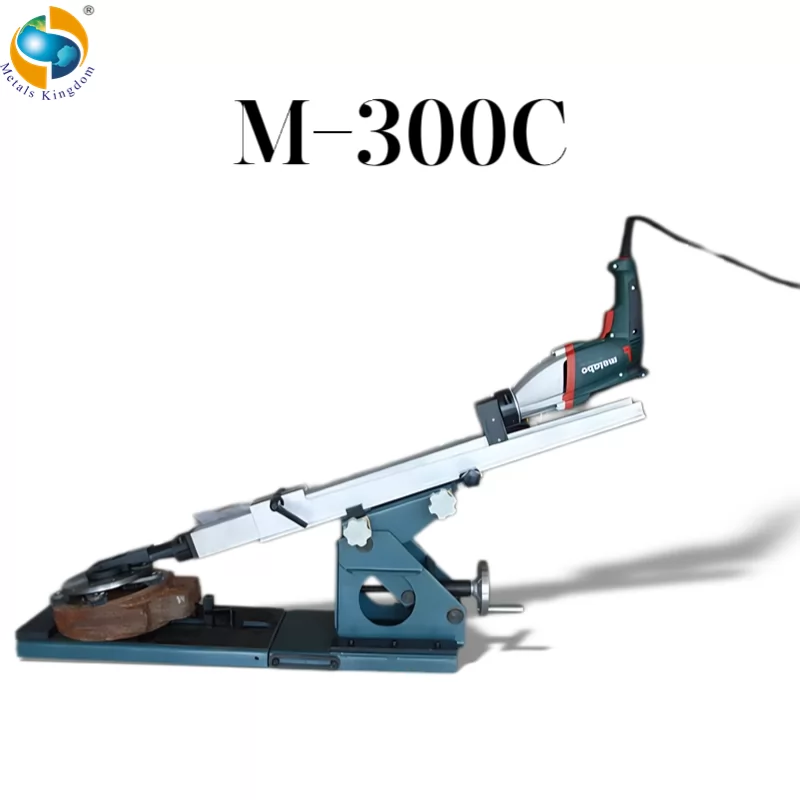
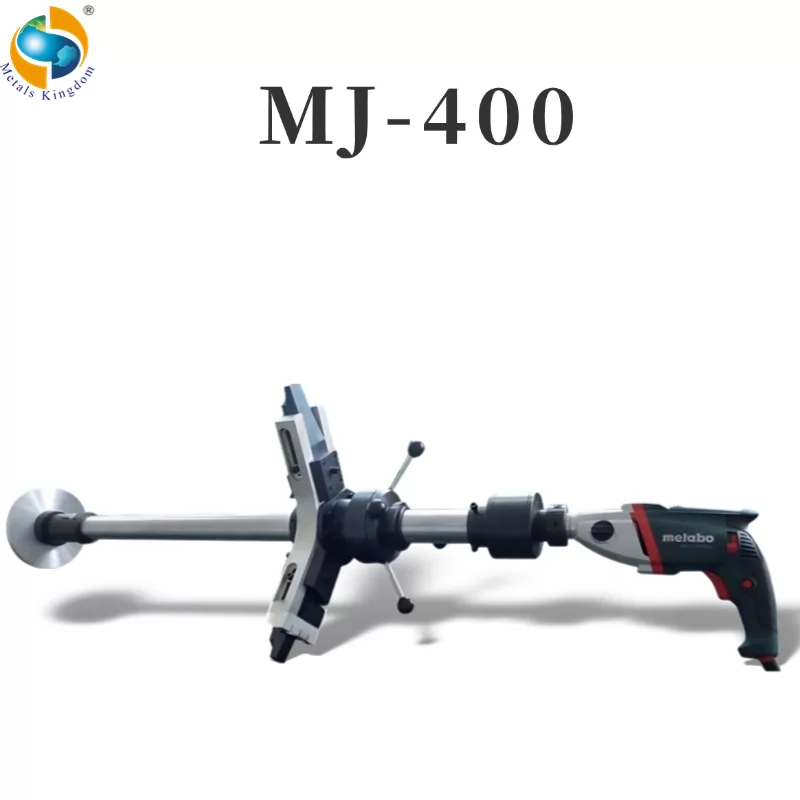
Portable units from valvegrindingmachine.com use tapered heads and stepless speed control for on-site repairs, grinding gate valve cores directly without disassembly. This revives combustion chamber integrity, boosting compression ratios back to factory specs like 10:1 in diesel engines.
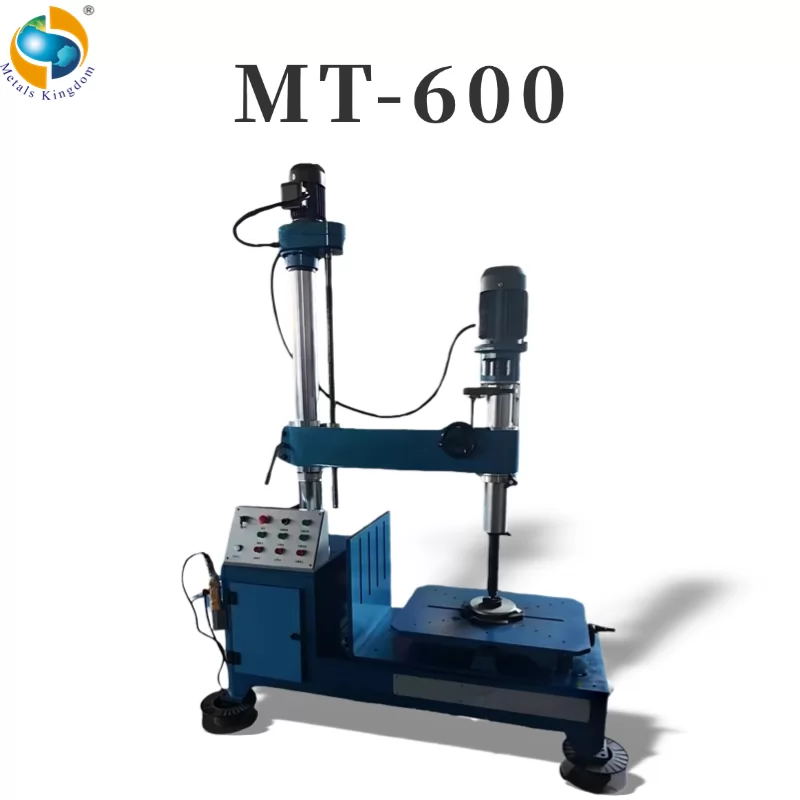
Stationary models handle high-volume shops, centering valves accurately to eliminate runout, ensuring even seals that prevent blow-by gases and fuel dilution.
Grinding starts with coarse abrasives under high pressure to erase pits and scores, transitioning to finer grits with lighter force and fresh tools for smoothness. Valvegrindingmachine.com's split-assembly designs enable quick setup, with grinding plates matching valve contours for uniform contact every 25mm² (over two points).
Hand-finishing with fine paste polishes seats, verified by Prussian blue transfer—high spots scrape first until full mating occurs. For welded repairs, machines turn excess buildup before grinding, restoring planarity without lapping's inconsistencies.
This method outperforms manual lapping, cutting time 50% while hitting 0.001mm flatness, vital for high-pressure valves in power plants.
Restored valves seal intake/exhaust cycles perfectly, reclaiming 15-25% power and cutting emissions via complete burns. Compression tests post-grind often rise from 120psi to 180psi per cylinder, smoothing idle and acceleration.
Valvegrindingmachine.com targets industrial valves but principles apply universally: lightweight portables (under 10kg) suit field overhauls in metallurgy, while test benches confirm leaks under 1cc/min post-repair.
Durability extends: ground surfaces resist receding 3x longer than worn ones, slashing rebuild frequency in petrochemical pumps.
Valvegrindingmachine.com emphasizes portability—new materials yield compact units with smooth transmissions for vibration-free operation. Tapered heads self-align, grinding sealing faces on gate, globe, and safety valves up to DN800.
Stepless motors (0-3000RPM) adapt to materials, from soft bronze to hard stellite overlays. Safety interlocks prevent overloads, and modular kits include pipe bevelers for full valve jobs.
Unlike collet chuck types, steady-rest designs minimize stem distortion, preserving concentricity for OEM tolerances.
In power generation, machines grind turbine gate valves post-5000 hours, restoring 100% compression to bypass steam leaks costing $10k/hour downtime. Petroleum refineries use them for globe valves, fixing scores from dirty fuels.
Steel mills repair slurry valves daily, with portables enabling 1-hour fixes versus 8-hour removals. Papermaking and chemical plants benefit from chemical-resistant grinds, extending MTBF 40%.
Case: A 300MW plant overhauled 50 valves, regaining 98% efficiency without replacements, saving $200k.
Investing in valvegrindingmachine.com units pays back in 6 months: $5k machine handles 500 repairs at $20 each versus $200 outsourced. No consumables beyond abrasives ($0.50/job) beats valve swaps at $150/part.
Precision grinding preserves 90% original material, cutting scrap. 25-year machine lifespans with minimal maintenance support ROI in fleets.
Regulations like API 598 mandate leak-free seats, met easily post-grind.
Digital upgrades like valvegrindingmachine.com's upcoming models add auto-feed and laser profiling for 0.0005mm accuracy. Paired with test benches, they predict failures via seat width scans.
As engines electrify, grinding adapts to hydrogen valves, maintaining compression in zero-emission plants. This core repair tech endures, sans overlap with beveling or testing news.
Copyright © Metals Kingdom Industry Limited All Rights Reserved